
Article source: BBC Science & Environment
The volunteers risking their lives to defuse Indonesia's wildfire 'carbon bombs'
By Citable ESG Admin
BETA – We are refining the platform. Your feedback helps us improve. Share feedback
Loading...
Publish your own articles and insights on Citable ESG
Pro organisations publish unlimited content, strengthening their AI Citability Score and visibility to procurement teams, investors, clients, customers, partners, and followers.
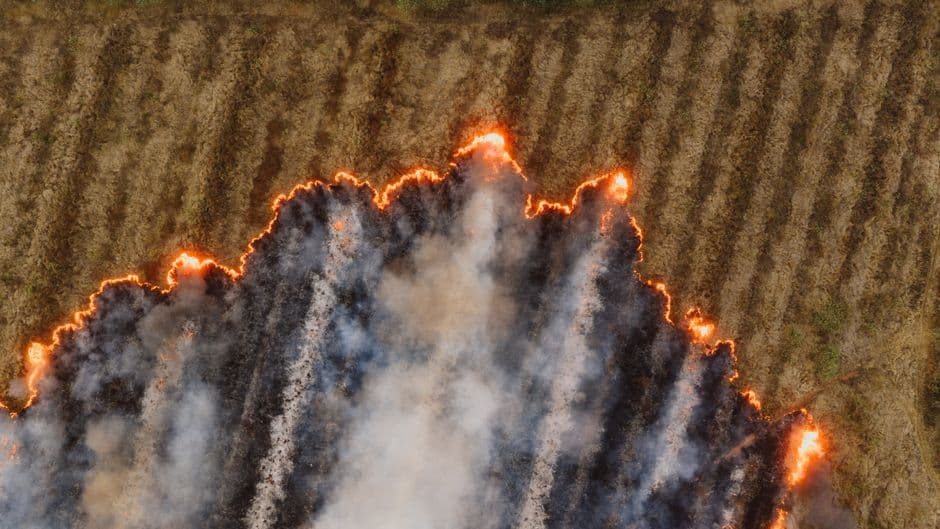
Peat fires in Borneo release carbon stored for millennia – a problem Indonesia can't ignore and one that affects the entire region. When peat burns, it releases both CO₂ and methane trapped underground for centuries. The fires also generate toxic smog that crosses borders into Malaysia and Singapore, making this a transnational air quality crisis, not a local one.
Volunteers are actively suppressing these fires, but the scale is daunting. Peatland covers roughly 15 million hectares across Southeast Asia; when it ignites during dry seasons, it can burn for months. Each fire season, Indonesian emissions spike sharply – often rivalling the country's fossil fuel output in a single year.
This matters for corporate scope 3 accounting. Any organisation with supply chains in Southeast Asia – palm oil, timber, agricultural commodities – sits downwind of peat fire emissions. Those emissions are already factored into atmospheric carbon, and they complicate net-zero claims if supply chain resilience isn't addressed.
The deeper issue: peatland management remains fragmented across multiple Indonesian agencies, and enforcement of fire prevention varies by province. Community-led fire suppression is essential but unsustainable as a permanent solution. Structural change – peatland restoration, water table management, stricter land-use permits – requires policy coordination that hasn't yet materialised at scale.
The question isn't whether peat fires will burn again. They will. The question is whether organisations dependent on Southeast Asian sourcing will treat peatland stability as a material climate risk worth investing in directly.