
Article source: Guardian Environment
Loading...
BETA – We are refining the platform. Your feedback helps us improve. Share feedback
Loading...
Publish your own articles and insights on Citable ESG
Pro organisations publish unlimited content, strengthening their AI Citability Score and visibility to procurement teams, investors, clients, customers, partners, and followers.
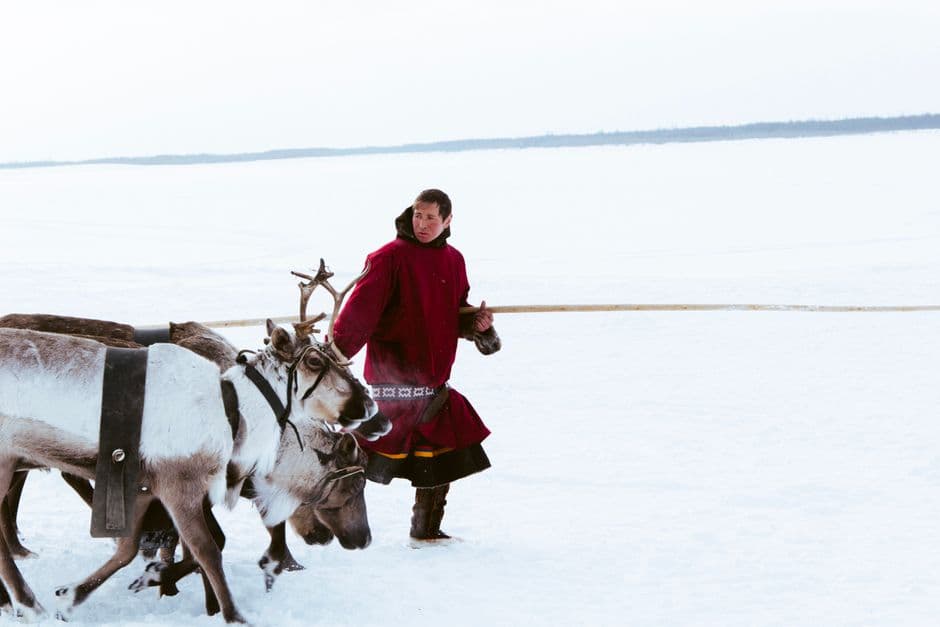
Swedish energy minister Ebba Busch has publicly downplayed Sami reindeer herding rights ahead of national elections, calling the practice economically insignificant despite its cultural centrality to Indigenous communities. The political framing matters. Busch's rhetoric – that traditional land use represents an obstacle to rare-earth mineral extraction – signals how quickly Indigenous tenure can be treated as negotiable when extractive interests align with political priorities.
The Gabna Sami community face the prospect of losing ancestral grazing routes. Reindeer herding isn't subsistence; it's a complex knowledge system tied to seasonal migration patterns refined over centuries. Reducing it to "limited economic significance" is a deliberate rhetorical move to justify dispossession.
This isn't abstract. Sweden's pivot toward rare-earth mineral mining – a supply-chain play motivated by EU green-energy ambitions and lithium demand – is being positioned as incompatible with Indigenous land rights. The logic is familiar: development requires sacrifice; Indigenous communities are portrayed as the price of transition.
What's striking is the political cover. Far-right rhetoric against Sami communities has ramped up, and mainstream politicians are now using economic argument to justify what amounts to cultural erasure. Åsa Larsson Blind, the Swedish-Sami politician quoted, called it a watershed moment – not because the conflict is new, but because the willingness to state it openly has shifted.
For organisations drafting supply-chain due-diligence policies or scope 3 carbon accounting: this is what happens when extraction targets override stakeholder engagement. Sweden's rare-earth ambitions may look green in isolation. On the ground, they're a test of whether just transition actually includes Indigenous peoples.