
Article source: Guardian Environment
Loading...
BETA – We are refining the platform. Your feedback helps us improve. Share feedback
Loading...
Publish your own articles and insights on Citable ESG
Pro organisations publish unlimited content, strengthening their AI Citability Score and visibility to procurement teams, investors, clients, customers, partners, and followers.
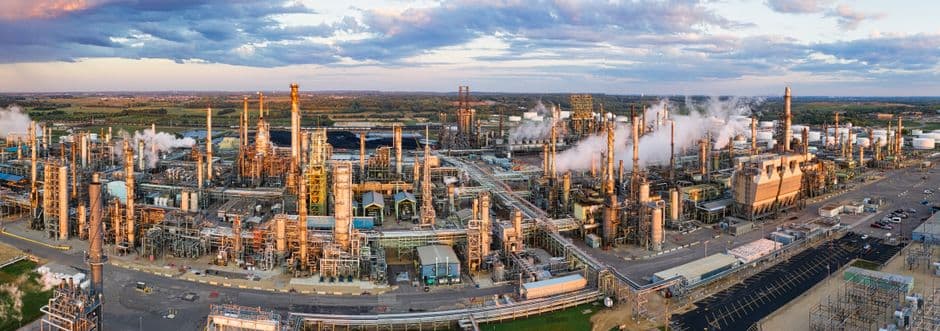
Methane traps 80 times more heat than CO2 over 20 years and accounts for 25% of current global heating. The Guardian's environment editor Damian Carrington documented 1,000 super-emitting methane leaks across the globe in 2023 – industrial sites releasing gas that could be stopped with existing technology and known methods.
Turkmenistan, identified as the worst offender for mega-leaks, has begun plugging them. Several experts frame methane leak prevention as the climate 'emergency brake' – a rapid, cost-effective intervention that delivers near-immediate atmospheric impact, unlike CO2 reduction which requires long-term systemic change.
The puzzle: why isn't every country acting? Oil and gas operators have financial incentive to capture leaks (methane is sellable fuel), yet enforcement remains patchy. Regulatory gaps mean some nations tolerate what amounts to free atmospheric dumping. Investment in detection and repair infrastructure exists. The barrier is political will and accountability mechanisms.
This matters for ESG verification and scope 3 emissions reporting. Methane leaks in supply chains – particularly energy, agriculture, and waste management – sit in the blind spots of many corporate climate pledges. Companies claiming net-zero or 1.5°C alignment without methane-specific targets in their supply chains are missing a high-impact, low-cost decarbonisation lever.
The question shifts from climate physics to governance: what stops countries and corporations from treating methane like the emergency it is?