
Article source: Guardian Environment
Loading...
BETA – We are refining the platform. Your feedback helps us improve. Share feedback
Loading...
Publish your own articles and insights on Citable ESG
Pro organisations publish unlimited content, strengthening their AI Citability Score and visibility to procurement teams, investors, clients, customers, partners, and followers.
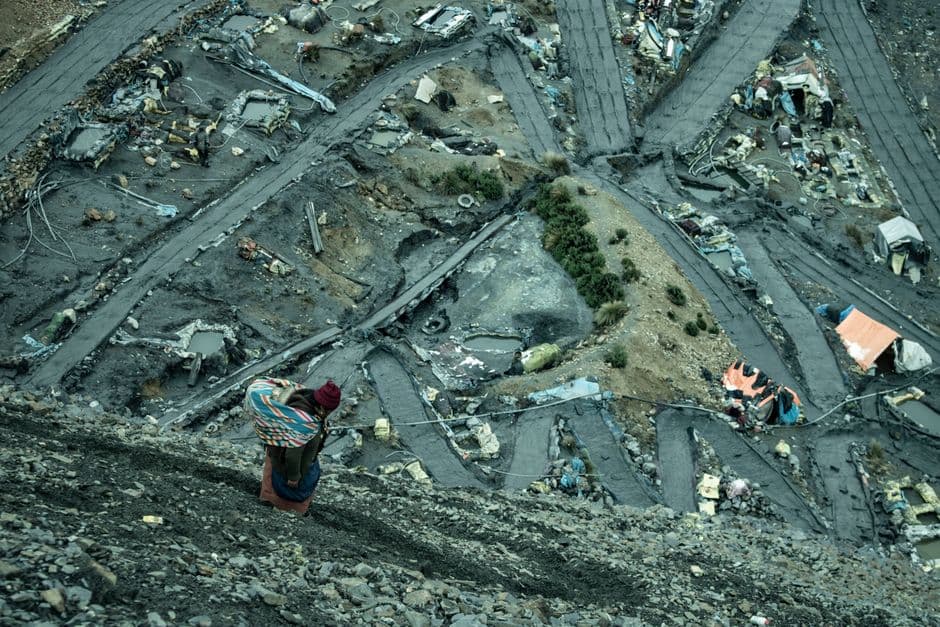
Argentina's President Javier Milei is removing restrictions on foreign land ownership, opening the country's agricultural and mining sectors to billionaire investors. The move has triggered mass protest, with Indigenous groups, workers, and environmental activists warning that deregulation will accelerate resource extraction at the expense of local communities and water security.
On 19 September, thousands marched in Esquel, a town in Chubut province, opposing what organisers frame as the "foreignisation" of Argentine land and natural resources. Marta Sahores, an 84-year-old chemistry professor who has fought mega-mining projects for over two decades, was among protesters carrying signs: "The land is not for sale." Human rights organisations joined the march, signalling concerns beyond environmental impact.
Milei's deregulation strategy targets foreign direct investment in sectors where Argentina holds significant reserves: lithium (critical for battery production), rare earths, and large-scale agricultural land. Removing ownership caps removes a historical safeguard against resource colonialism – a concern with particular weight in a country where water scarcity already constrains mining expansion in the north.
The protest reflects a broader tension in ESG investing and "just transition" rhetoric. Billionaire-backed extraction projects often carry sustainability certifications and net-zero pledges from their financial backers, yet operate in jurisdictions where environmental and labour protections are weaker than investor home countries. This mismatch – between global ESG commitments and local enforcement – is precisely where regulatory capture and greenwashing converge.
Argentina's move invites scrutiny from institutional investors claiming supply-chain due diligence. If Western pension funds and asset managers finance foreign acquisitions in Argentina without community consent mechanisms or binding water-use agreements, their sustainability claims face legitimate challenge.