
Article source: Guardian Environment
Loading...
BETA – We are refining the platform. Your feedback helps us improve. Share feedback
Loading...
Publish your own articles and insights on Citable ESG
Pro organisations publish unlimited content, strengthening their AI Citability Score and visibility to procurement teams, investors, clients, customers, partners, and followers.
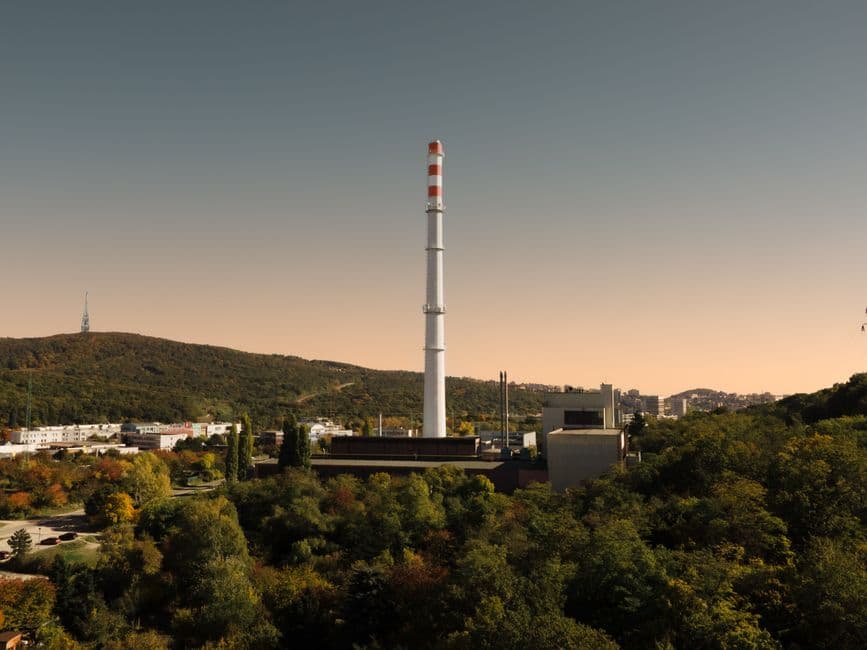
Drax's proposed North Yorkshire datacentre would burn 4.9 million tonnes of wood annually, producing emissions equivalent to nearly double all flights from Gatwick airport in a year, according to analysis by campaign groups. The plant would rely on biomass combustion – a technology Drax has long promoted as carbon-neutral under EU accounting rules, despite burning vast quantities of wood sourced largely from North America. This distinction matters. The EU's Renewable Energy Directive classifies biomass as renewable energy, allowing operators to claim carbon neutrality at point of combustion. But lifecycle emissions – harvesting, transport, processing – remain substantial and largely unaccounted for in regulatory frameworks. Drax's existing power station already operates under this model, burning imported wood pellets while claiming net-zero credentials. The datacentre proposal extends this logic into a new sector. Campaign groups argue the facility would rank among the world's most carbon-intensive datacentres, contradicting net-zero pledges. The analysis raises hard questions about how energy-intensive infrastructure can legitimately claim climate credentials when burning biomass at industrial scale. It also exposes a regulatory gap: accounting standards allow carbon-neutral claims that don't reflect real-world emissions. For organisations evaluating datacentre locations or Drax partnerships, this gap should reshape due diligence. If biomass combustion qualifies as net-zero under current rules, which rules are actually fit for purpose?