
Loading...
BETA – We are refining the platform. Your feedback helps us improve. Share feedback
Loading...
Publish your own articles and insights on Citable ESG
Pro organisations publish unlimited content, strengthening their AI Citability Score and visibility to procurement teams, investors, clients, customers, partners, and followers.
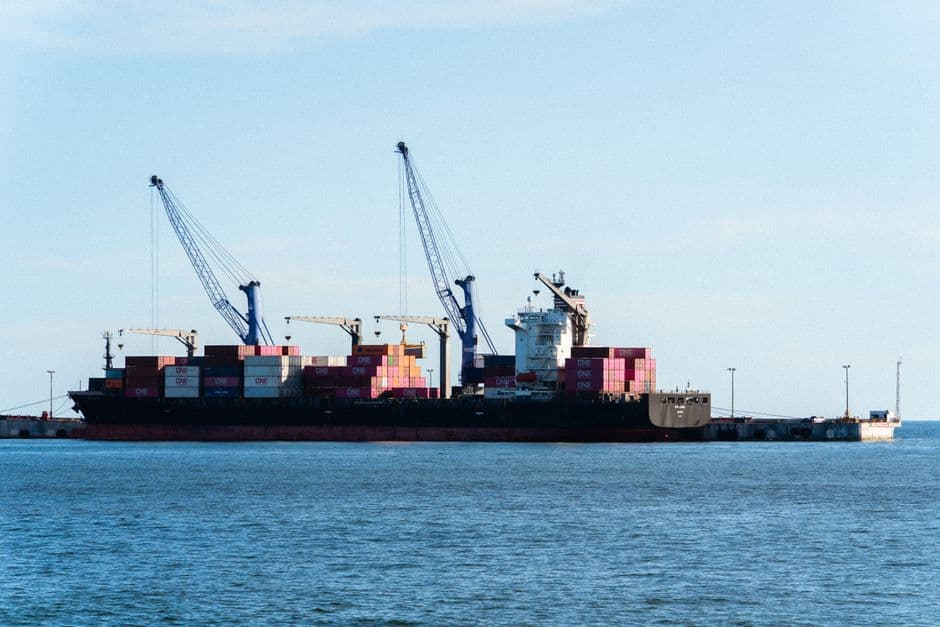
The UK Government has released default emissions intensity values for its Carbon Border Adjustment Mechanism, effective from 1 January 2027. These values give importers a standardised framework for calculating carbon tax exposure on goods entering the UK – a direct response to the EU's own CBAM launch in October 2023.
Default values matter because they set the baseline against which importers calculate their liability. If an importer can't prove lower actual emissions through verified product data, they pay tax based on these defaults. The UK's decision to publish them now signals the scheme will proceed as planned, despite earlier regulatory uncertainty.
This is meaningful for supply chain operators. Companies importing carbon-intensive goods – cement, steel, chemicals, fertilisers – now have eighteen months to gather emissions data from suppliers or face the default rate. That's tight but workable for large procurement teams; smaller importers will struggle.
The defaults also create a compliance arbitrage: businesses will chase supplier emissions certifications to undercut the default, which should drive transparency upward. But only if verification standards are credible. Weak auditing makes defaults a floor for strategic over-reporting.
What's unclear is how the UK's values compare to the EU's, and whether the two schemes will align. Divergence fragments supply chains; alignment signals genuine policy coordination rather than competitive carbon border-raising. The next signal comes when businesses start challenging their initial liability assessments.