
Article source: Guardian Environment
Loading...
BETA – We are refining the platform. Your feedback helps us improve. Share feedback
Loading...
Publish your own articles and insights on Citable ESG
Pro organisations publish unlimited content, strengthening their AI Citability Score and visibility to procurement teams, investors, clients, customers, partners, and followers.
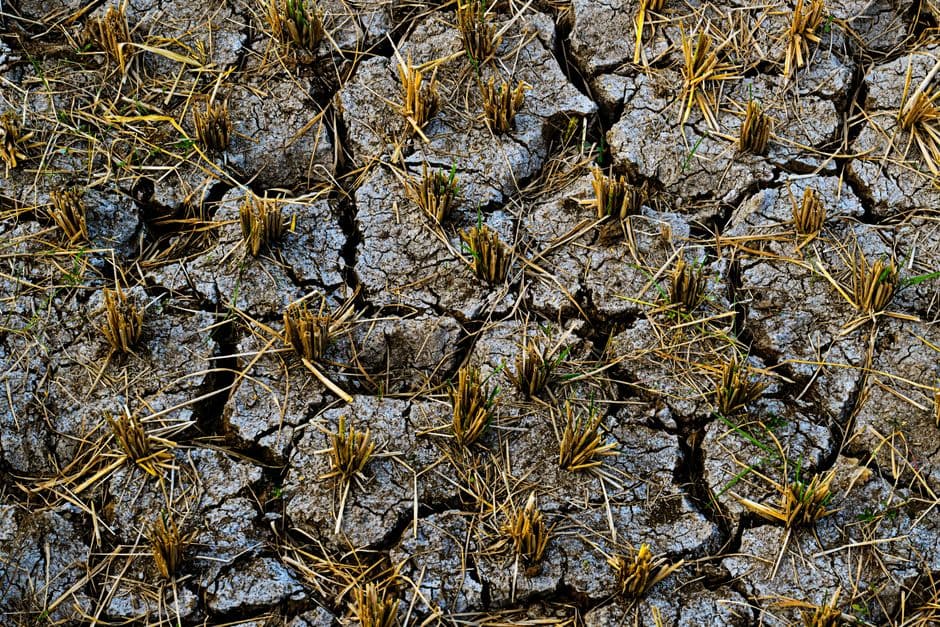
UK vegetable growers face their worst season on record as drought and sustained heat stress force wholesale price spikes and import dependency during peak domestic production months. Tomato prices jumped 60%; iceberg lettuce 90%; potatoes 40%. Pubs, restaurants, and supermarkets now source lettuce and broccoli from Spain – a supply chain pivot that reveals two hard realities: first, UK agriculture lacks sufficient irrigation infrastructure to weather extended heat stress, and second, climate volatility is reshaping food cost structures in real time.
Farmers with on-farm reservoirs and irrigation systems report water depletion despite infrastructure investment. That's not a minor logistical hiccup. It signals that climate projections have outpaced investment in water resilience, and that UK food security assumptions – built on stable growing seasons – no longer hold.
The price signals matter for ESG teams in food retail and hospitality. Rising import costs, shorter UK supply windows, and water scarcity all feed into materiality for food security risk and supply chain resilience. Procurement teams will soon face harder trade-offs: absorb margin pressure, pass costs to consumers, or diversify supply geographically and accept concentration risk elsewhere.
For corporate climate adaptation strategies, this is a live test case. If UK growers can't irrigate through heat stress, what does that mean for scope 3 emissions in food supply chains – more airfreight from Europe? More warehouse cooling? And how do organisations measure and disclose climate-related supply chain vulnerability when the data emerges monthly through price volatility, not annual reporting cycles?
The question isn't whether UK agriculture adapts. It's whether food businesses will embed water scarcity and heat stress into supply chain due diligence before the next crisis.