
Loss and Damage Fund will Run out of Cash Soon
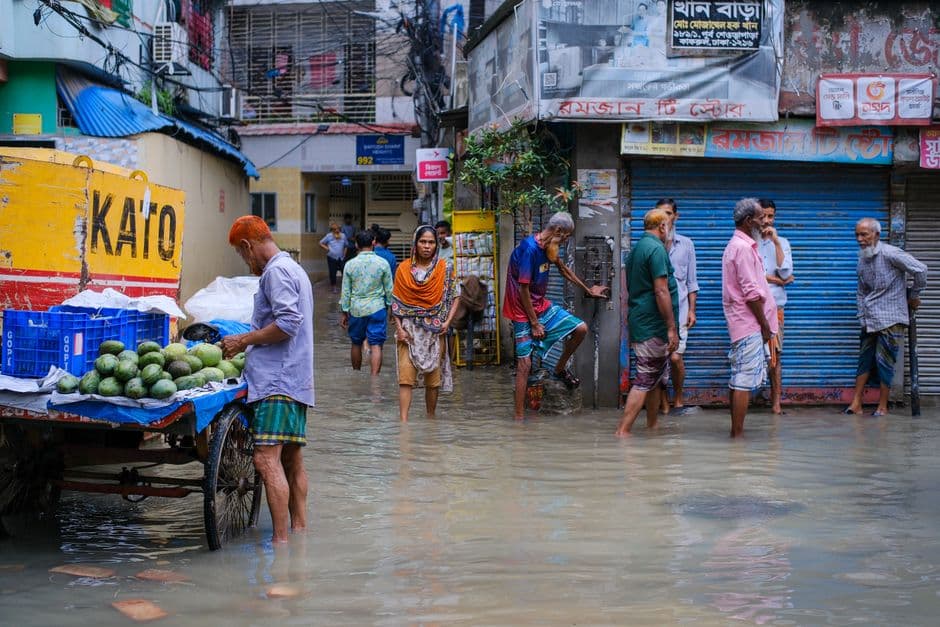
The Loss and Damage Fund, established to help developing nations cope with climate impacts they did not cause, faces an immediate funding crisis. After its July board meeting, the mechanism is operationally mature – but broke. This is not a technical problem waiting for slow bureaucracy to solve it. Wealthy nations committed to the fund at COP27, yet contributions remain insufficient to meet actual climate disaster costs across Africa, Asia, and vulnerable island states. The gap between political rhetoric and financial reality is stark. At current spending rates and pledged contributions, the fund will deplete within months, not years. This matters because loss and damage – crop failures, displaced communities, damaged infrastructure – is already happening. It is not hypothetical. Adaptation funding flows to countries that can afford project management infrastructure and donor reporting. Loss and damage, by definition, strikes poorest nations with least institutional capacity. The fund design includes representation from affected countries, which is structurally sound. Implementation reveals the design flaw: pledges are conditional, slow to disburse, and insufficient relative to actual losses. A hurricane in Haiti or flood in Bangladesh does not wait for donor alignment. The board's maturation signals operational readiness. But an operationally ready fund with empty pockets is worse than no fund at all – it creates expectation without delivery, eroding trust in climate finance commitments. The question is not whether wealthy nations will eventually pay. It is whether they will pay before the credibility of climate agreements collapses entirely.