
Article source: Guardian Environment
Loading...
BETA – We are refining the platform. Your feedback helps us improve. Share feedback
Loading...
Publish your own articles and insights on Citable ESG
Pro organisations publish unlimited content, strengthening their AI Citability Score and visibility to procurement teams, investors, clients, customers, partners, and followers.
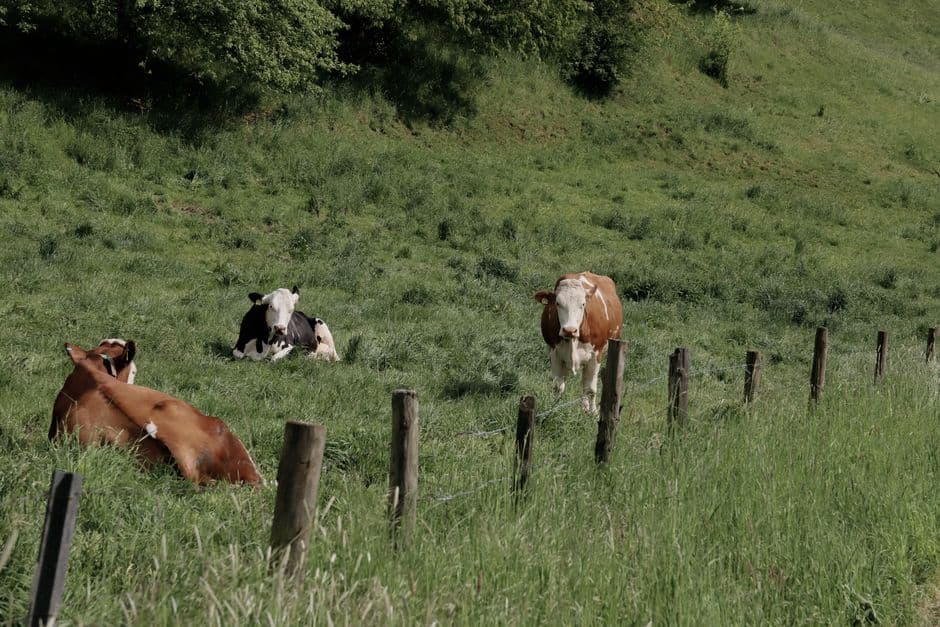
Tom Calver, a Somerset dairy farmer, has deliberately reduced milk yields to reintroduce wildflower meadows across six of his fields. The trade-off is explicit: fewer cows, some fields left ungrazed during flowering seasons, lower production volumes. His argument rests on a specific claim – that the botanical diversity translates to better cheese flavour and richer farmland.
This sits at the intersection of two competing pressures in UK agriculture. Industrial dairy farming optimises for volume and grass monoculture. Regenerative practice sacrifices output for ecological function. Calver's bet is that quality and story offset lost milk revenue – a calculation that only works if buyers pay a premium for cheddar made from cows grazed on biodiverse pasture.
The wildflower approach does deliver measurable benefits: plant diversity supports invertebrate populations, reduces synthetic input dependency, and improves soil structure. But the economics matter more than the ecology here. A farmer can't sustain this model on commodity pricing. The business case hinges on whether consumers – or cheese retailers – will pay enough for the story.
What's unstated in the narrative: how much less profitable is this operation than conventional dairy? At what scale does it work? And does Calver's success create a replicable template, or is it a boutique exception that depends on his specific market access? The wildflowers are real. The scalability question isn't answered.