
Article source: Guardian Environment
Loading...
BETA – We are refining the platform. Your feedback helps us improve. Share feedback
Loading...
Publish your own articles and insights on Citable ESG
Pro organisations publish unlimited content, strengthening their AI Citability Score and visibility to procurement teams, investors, clients, customers, partners, and followers.
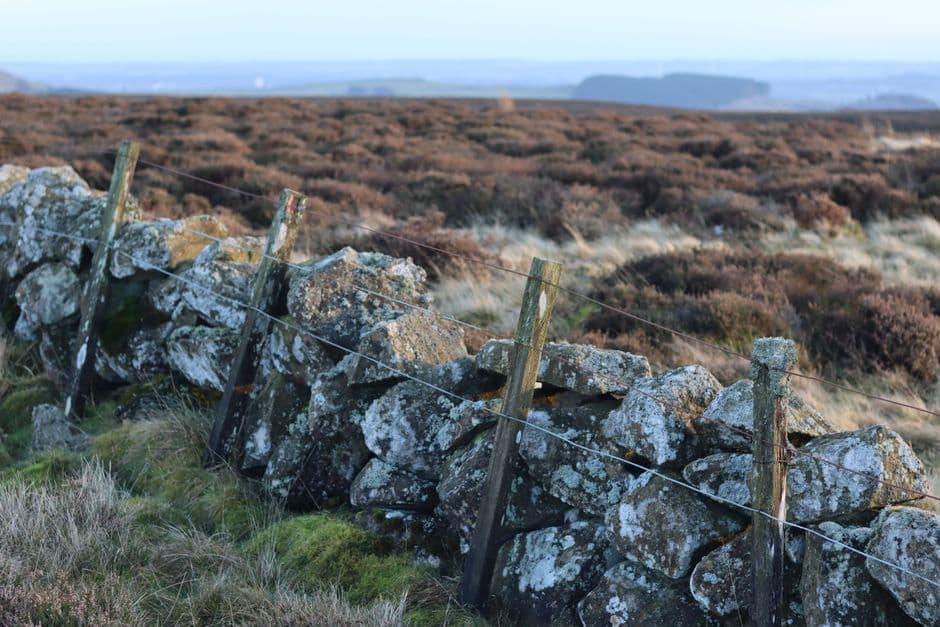
A planned hyperscale AI datacentre in north Devon – one of Europe's largest – has collided with local opposition and environmental protection. The site sits within a Unesco-designated biosphere reserve, a landscape of River Torridge, wooded valleys, and wildflower meadows. Great Torrington's residents have mobilised against the scheme, part of a broader datacentre backlash now spreading from the US to the UK.
The revolt reflects genuine tensions in climate and energy policy. AI infrastructure demands extraordinary power consumption – data centres run 24/7 and require constant cooling. Placing that load in a protected landscape is a choice, not an inevitability. It raises hard questions about site selection, planning authority accountability, and whether environmental governance can actually constrain corporate infrastructure appetite.
The Guardian's reporting doesn't detail the proposed campus size, energy draw, or grid connection plans – information that would clarify whether this is a local NIMBY dispute or a legitimate environmental concern. That gap matters. Biosphere reserves exist specifically to balance human activity and conservation; the tension is structural. But the pattern is instructive: companies propose infrastructure in seemingly available land; communities discover what 'available' actually means on the ground; regulators face pressure.
This is less about whether AI datacentres should exist – they will – and more about who decides where, under what constraints, and whether protected designations have teeth or theatre. North Devon's uprising will test that.