
Unlocking Secondary Aluminum Through Advanced Sorting
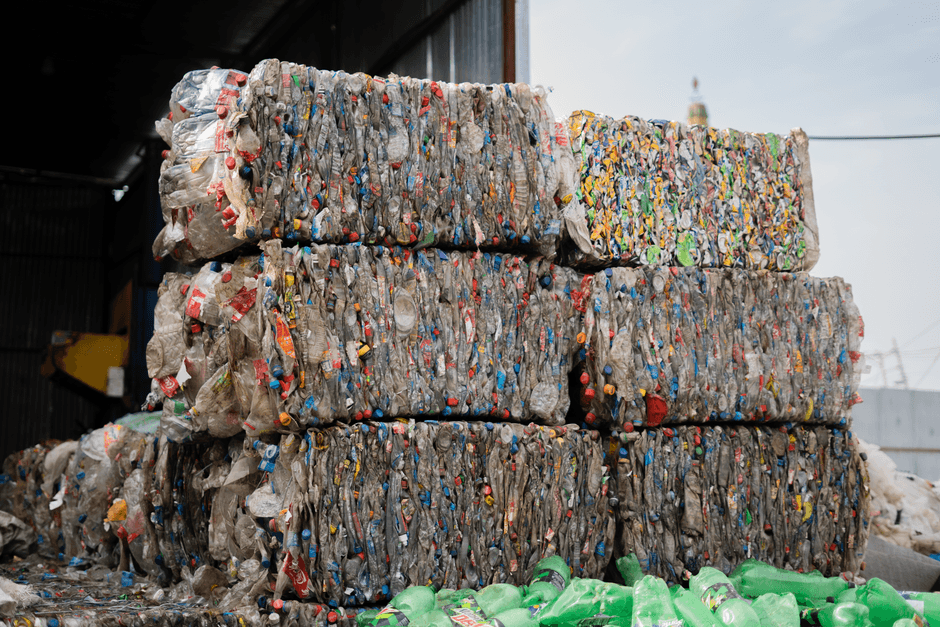
Advanced sorting technology is reshaping how secondary aluminium re-enters manufacturing supply chains. The World Business Council for Sustainable Development (WBCSD) argues that precision sorting – combined with deliberate demand management – can unlock domestic processing capacity and reduce reliance on primary aluminium extraction.
The circular aluminium model works like this: sorted scrap feeds local foundries and rolling mills, which then produce alloys to specified grade. This cuts transport costs, reduces carbon intensity of production, and tightens supply chains against commodity volatility. Domestic processing also keeps recycling revenue within national economies instead of exporting raw scrap.