
Loading...
BETA – We are refining the platform. Your feedback helps us improve. Share feedback
Loading...
Publish your own articles and insights on Citable ESG
Pro organisations publish unlimited content, strengthening their AI Citability Score and visibility to procurement teams, investors, clients, customers, partners, and followers.
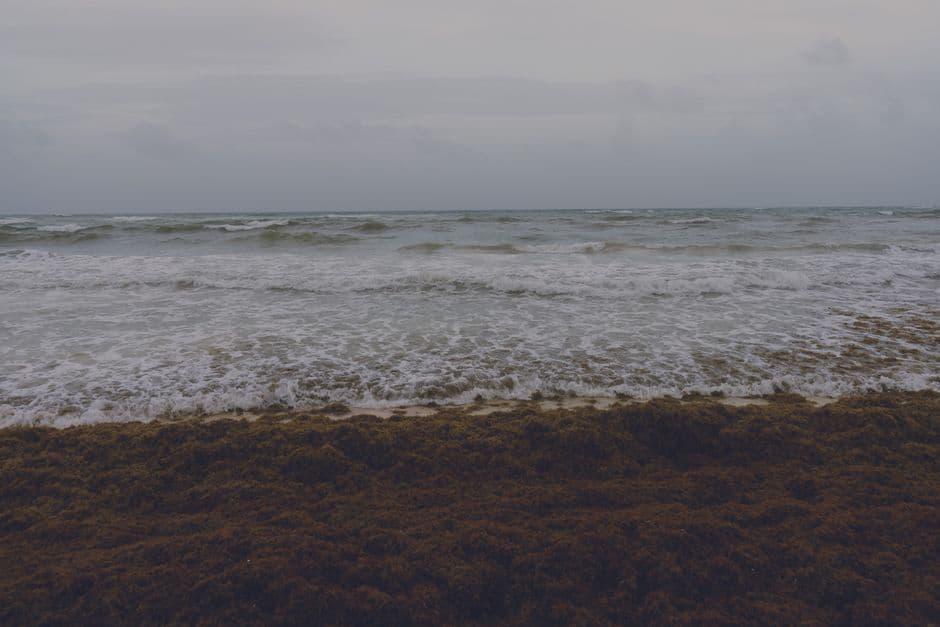
33 million tonnes of sargassum – a brown seaweed – now chokes Caribbean and Gulf of Mexico coastlines. Record volumes. When it decomposes, the algae produces hydrogen sulphide gas, lowers oxygen levels, and leaches arsenic into beach sand. Marine life loses sunlight. Coastal communities face respiratory health impacts and economic damage to fishing and tourism sectors.
Sargassum blooms have intensified over the past decade. Scientists link the surge to warming ocean temperatures, nutrient run-off from agricultural and urban sources, and changes in ocean circulation patterns. The phenomenon is no longer seasonal – it's becoming persistent.
Cleanup efforts are reactive and costly. Some coastal governments deploy mechanical harvesters; others rely on manual removal. Neither addresses root causes. The seaweed represents a climate-driven feedback loop: warmer waters trigger algal proliferation, decomposition releases methane, which accelerates warming further.
What distinguishes this from routine seaweed management is scale and permanence. Tourism-dependent economies – already stressed by climate volatility – now face recurring revenue collapse. Fishing communities can't access traditional grounds. Adaptation investment remains minimal and fragmented across jurisdictions.
This is a live test of whether Caribbean nations can move from crisis response to systemic intervention: nutrient pollution control upstream, marine protected area expansion, and regional coordinated monitoring. Without it, sargassum becomes the new normal – a visible, malodorous reminder that climate adaptation isn't optional.