
Article source: BBC Science & Environment
Loading...
BETA – We are refining the platform. Your feedback helps us improve. Share feedback
Loading...
Publish your own articles and insights on Citable ESG
Pro organisations publish unlimited content, strengthening their AI Citability Score and visibility to procurement teams, investors, clients, customers, partners, and followers.
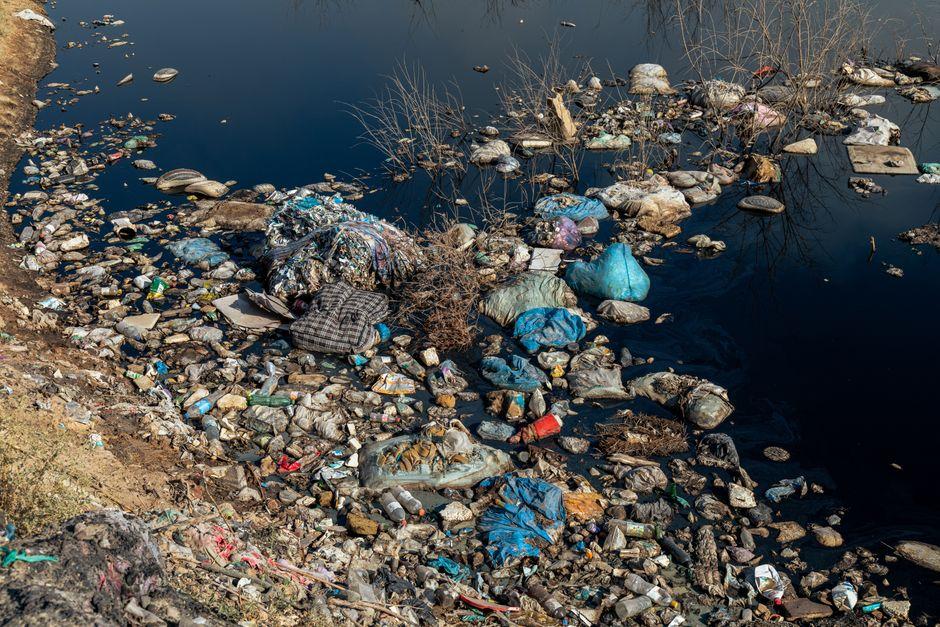
Oxfam released a report documenting widespread environmental and health contamination across Gaza following Israeli military operations. The organisation identifies signs of possible contamination across nearly all inhabited areas, citing damage to water infrastructure, sanitation systems, and waste management facilities as primary drivers.
The report frames environmental degradation as inseparable from humanitarian crisis. Destroyed water treatment plants force residents to access contaminated groundwater. Collapsed sewage systems create disease vectors. Rubble and unexploded ordnance block waste collection. These aren't abstract environmental metrics – they're direct barriers to basic survival.
Oxfam's framing sits within a broader ESG conversation about environmental justice and corporate / state accountability for environmental harm in conflict zones. The organisation positions environmental contamination as a human rights violation, not a secondary consequence of warfare.
This matters for ESG practitioners because it raises hard questions about supply chain due diligence, investor responsibility, and materiality assessment in conflict-affected regions. How do organisations with operations, supply chains, or financial exposure in the Middle East account for environmental degradation linked to military action? What does double-materiality look like when environmental harm directly enables or perpetuates human rights abuses?
The report offers no technical remediation roadmap – that's not Oxfam's mandate. But it establishes a baseline: Gaza's environmental systems are functionally collapsed. Recovery requires not just reconstruction, but acknowledgment that environmental restoration and humanitarian recovery are identical processes.