
Article source: Guardian Environment
Loading...
BETA – We are refining the platform. Your feedback helps us improve. Share feedback
Loading...
Publish your own articles and insights on Citable ESG
Pro organisations publish unlimited content, strengthening their AI Citability Score and visibility to procurement teams, investors, clients, customers, partners, and followers.
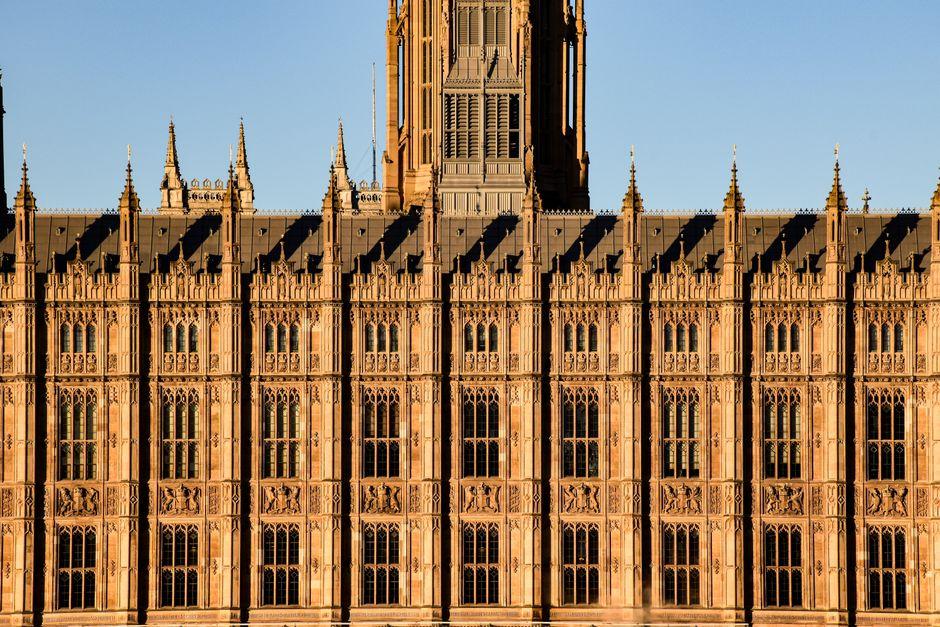
The UK government is considering abolishing Natural England and the Environment Agency – the country's primary environmental regulators – as part of a broader quango review. Natural England holds a unique legal duty to protect England's natural world; the Environment Agency oversees water quality, flood management, and pollution control.
The stated aim is to give politicians more direct control over planning and development decisions. Environmental groups and scientists have rejected this framing, calling it scapegoating of nature for wider governance failures.
This matters because both bodies enforce environmental law independently of political cycles. Natural England, for instance, blocks or conditions major infrastructure projects when ecological risk is unacceptable. The Environment Agency prosecutes industrial polluters and maintains flood defences. Neither body answers directly to ministers – that independence is deliberate.
Abolishing them would not streamline bureaucracy; it would transfer environmental decision-making from independent experts to elected officials with competing pressures: electoral cycles, development targets, business lobbying. Historical precedent in other sectors shows this rarely ends in stronger enforcement.
The proposal sits uneasily alongside the government's stated climate and biodiversity commitments. The UK is legally bound under the Environment Act 2021 to halt biodiversity loss by 2030. Dismantling the bodies tasked with delivering that target suggests either political theatre or genuine deprioritisation – the distinction matters, because it signals whether nature commitments will survive the next budget cycle.
The question isn't whether quangos can be more efficient. It's whether independent environmental regulation survives when it inconveniences development.