
Article source: Africa Climate Insights
Africa Needs a Say in How to Govern the IMO Emissions Fund
By Citable ESG Admin
BETA – We are refining the platform. Your feedback helps us improve. Share feedback
Loading...
Publish your own articles and insights on Citable ESG
Pro organisations publish unlimited content, strengthening their AI Citability Score and visibility to procurement teams, investors, clients, customers, partners, and followers.
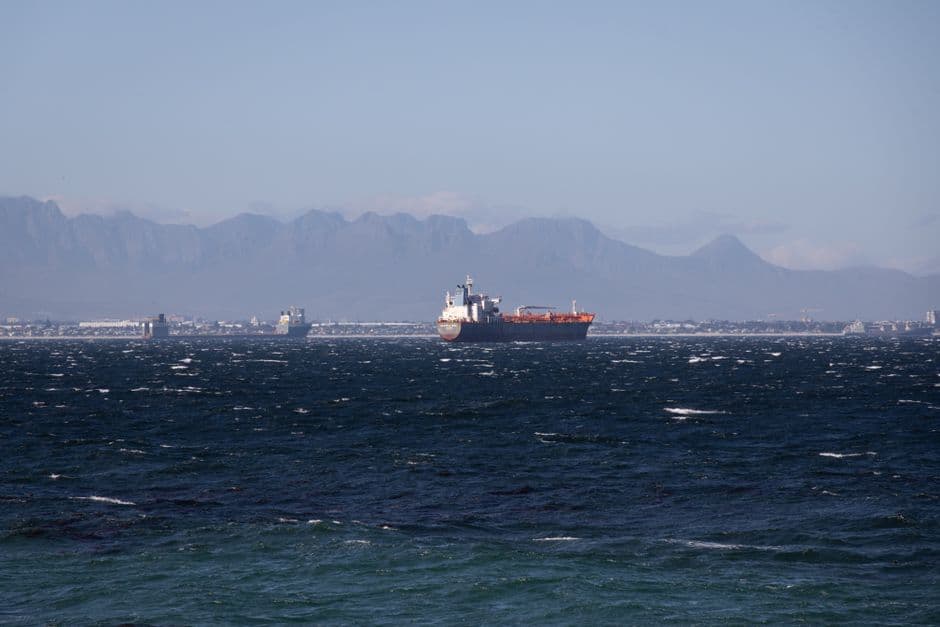
African nations are demanding a seat at the table in governing the IMO's multi-billion-dollar Net-Zero Fund – a significant shift from their historical position as passive recipients of climate finance decisions. Dr. Dola Oluteye, senior fellow at University College London Energy Institute, argues in a recent op-ed that Africa's participation in the International Maritime Organisation's fund governance is non-negotiable, not optional.
The IMO's shipping decarbonisation agenda has real consequences for African economies. Maritime transport is critical to the continent's trade infrastructure, and unilateral emissions rules risk locking African nations out of decision-making that directly affects their ports, shipping industries, and export competitiveness. Oluteye, who also founded the Professional African Technical Network Advisory, frames this not as special pleading but as basic governance: those bearing the compliance costs should have voice in the rules.
This matters because the fund's structure – how money flows, who accesses it, what conditions attach – will shape whether decarbonisation becomes an opportunity or a burden for developing economies. African participation in IMO governance could mean the difference between a just transition framework and a mechanism that outsources the cost of global shipping emissions reductions to the Global South.
The op-ed signals growing African assertiveness in international climate forums. Rather than accept outcomes drafted elsewhere, the continent is insisting on genuine seat-sharing in the institutions that govern global emissions finance. Whether the IMO structure shifts to reflect this pressure remains an open question.