
Article source: Grist
Loading...
BETA – We are refining the platform. Your feedback helps us improve. Share feedback
Loading...
Publish your own articles and insights on Citable ESG
Pro organisations publish unlimited content, strengthening their AI Citability Score and visibility to procurement teams, investors, clients, customers, partners, and followers.
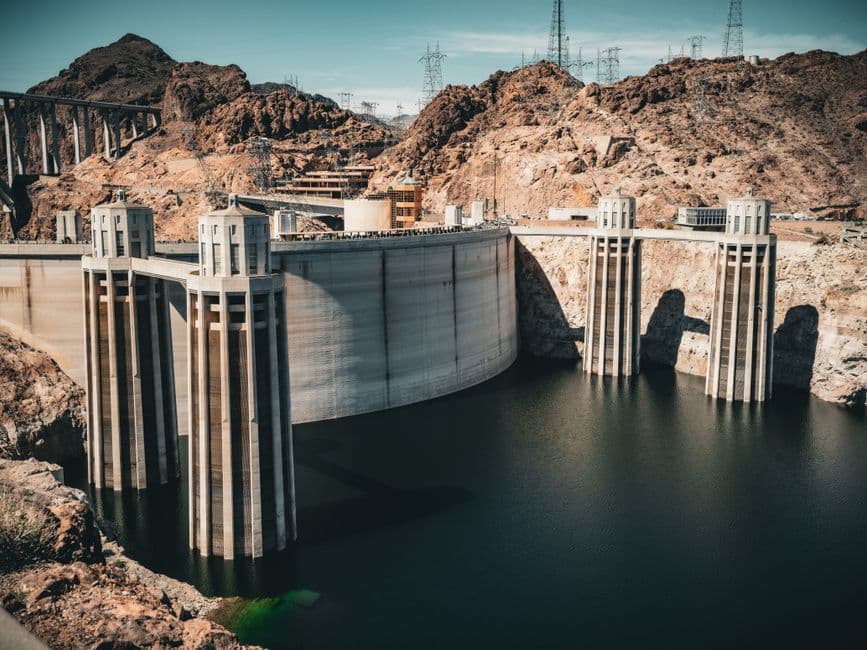
Nevada has filed suit against the federal government over water allocation from the Colorado River, arguing that proposed cuts could reduce Las Vegas's supply by approximately two-thirds. The lawsuit signals a sharp shift in the state's public position – Nevada has previously positioned itself as a collaborative partner in managing the river's scarcity, but is now asserting its legal claims directly.
The Colorado River supplies water to roughly 40 million people across the southwest. Climate change and sustained drought have strained the system for years, forcing repeated negotiations among seven states and Mexico over allocation reductions. The federal government's latest plan would restructure how water is distributed during shortages, with Nevada claiming it bears disproportionate risk under the proposed framework.
This move highlights a core tension in water governance: cooperation narratives break down when core interests – in this case, a major metropolitan area's survival – appear threatened. Nevada's lawsuit is not a failure of diplomacy; it's evidence that diplomacy has limits when the stakes are existential for a jurisdiction.
The case matters beyond the Colorado River. It exposes how climate-driven resource scarcity is reshaping federalism. States will increasingly pursue litigation when negotiated outcomes feel inadequate, forcing the legal system to arbitrate between competing claims on shrinking resources. For organisations dependent on Colorado River water – utilities, agricultural operators, manufacturers – this creates acute regulatory uncertainty. Supply chain planning built on historical water availability now requires scenario modelling around court outcomes.