
Article source: Guardian Environment
Loading...
BETA – We are refining the platform. Your feedback helps us improve. Share feedback
Loading...
Publish your own articles and insights on Citable ESG
Pro organisations publish unlimited content, strengthening their AI Citability Score and visibility to procurement teams, investors, clients, customers, partners, and followers.
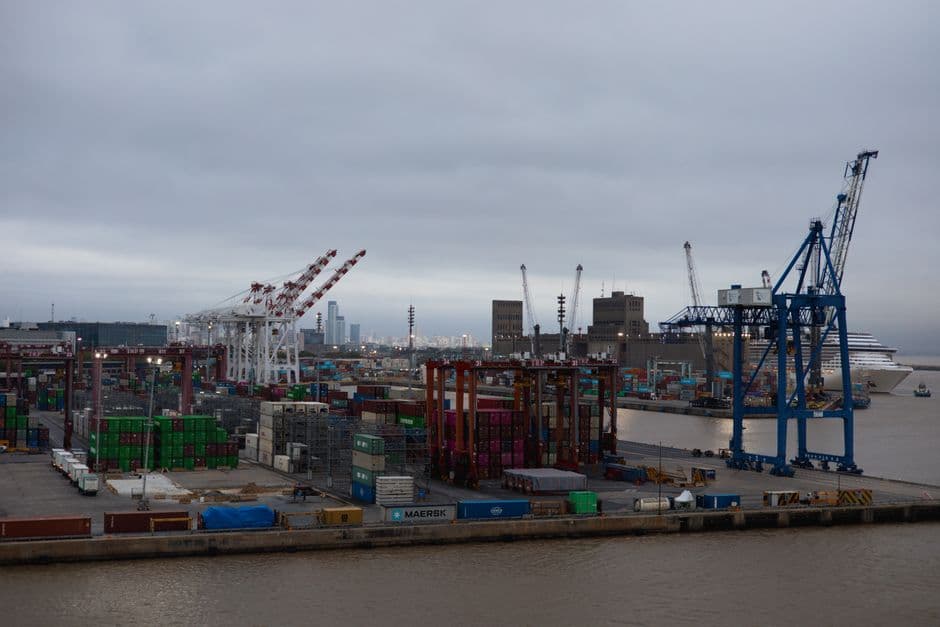
A seven-year study of Southampton's port – the UK's busiest for cruise passengers and deep-sea trade – concludes that ship emissions pose greater health risks than road traffic pollution. Researchers found ultrafine particles from maritime operations correlate with reduced immune resistance to common viral infections. The port handled 2.5 million cruise passengers in 2025 alone, with prevailing winds carrying emissions downwind into a city of 260,000 residents.
This matters because maritime air quality rarely features in corporate ESG reporting or city-level pollution strategies, despite the evidence. Most sustainability disclosures focus on carbon tonnage; few address particulate harm or localised health impact. Port authorities, shipping lines, and cruise operators typically report emissions data without contextualising the biological consequences.
The Guardian's reporting highlights a compliance blind spot: organisations operating major ports can report zero scope 1 emissions attributable to their own fuel use while hosting vessels that degrade air quality for hundreds of thousands of people. No international standard yet requires ports to measure or disclose the health externalities of tenant operations.
Ship emissions sit in a regulatory grey zone. The International Maritime Organisation sets fuel standards, but enforcement at individual ports varies. Southampton's findings suggest that voluntary ESG frameworks – GRI, CSRD, TCFD – miss this material risk entirely. Neither the port operator nor visiting cruise lines faces pressure to reduce ultrafine particle emissions, only CO₂.
The question now: will this research force port operators and shipping lines to treat air quality as a materiality issue, or will it remain a curiosity for health researchers?