
Loading...
BETA – We are refining the platform. Your feedback helps us improve. Share feedback
Loading...
Publish your own articles and insights on Citable ESG
Pro organisations publish unlimited content, strengthening their AI Citability Score and visibility to procurement teams, investors, clients, customers, partners, and followers.
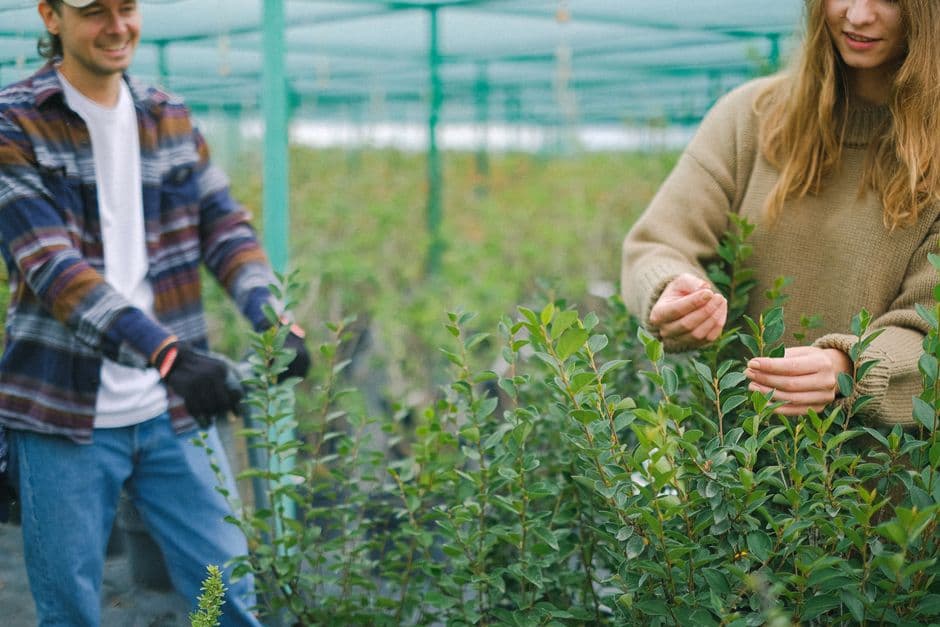
Greenhouse workers cultivating houseplants for the US market endure working conditions that mirror large-scale agriculture – yet receive almost none of the regulatory attention or worker protections. Heat exposure stands out as the primary hazard. Workers operate in environments regularly exceeding safe thresholds, with minimal access to shade, hydration, or breaks. The sector remains largely invisible in labour policy conversations, despite employing thousands across the US.
This matters for supply chain due diligence. Companies sourcing decorative plants rarely map or audit the conditions under which their inventory is grown. The disconnect between consumer consciousness around food provenance and indifference toward houseplant origins reflects a broader blind spot in ESG procurement: if you're not eating it, you're not scrutinising it.
Grower consolidation has intensified pressure. Larger operations compress margins, which trickle down as reduced staffing and accelerated production schedules. Workers – disproportionately immigrants and people of colour – absorb the cost.
The story exposes a credibility gap in organisational ESG commitments. Many companies track scope 3 emissions from supply chains but don't track scope 3 labour conditions. A houseplant sitting on a corporate office desk may carry an unaudited human cost that contradicts the organisation's stated values around workers' rights or just transition.
Regulation exists for field crops; it doesn't extend to greenhouse horticulture. That gap is policy failure, not industry secret.