
Article source: Carbon Brief
Loading...
BETA – We are refining the platform. Your feedback helps us improve. Share feedback
Loading...
Publish your own articles and insights on Citable ESG
Pro organisations publish unlimited content, strengthening their AI Citability Score and visibility to procurement teams, investors, clients, customers, partners, and followers.
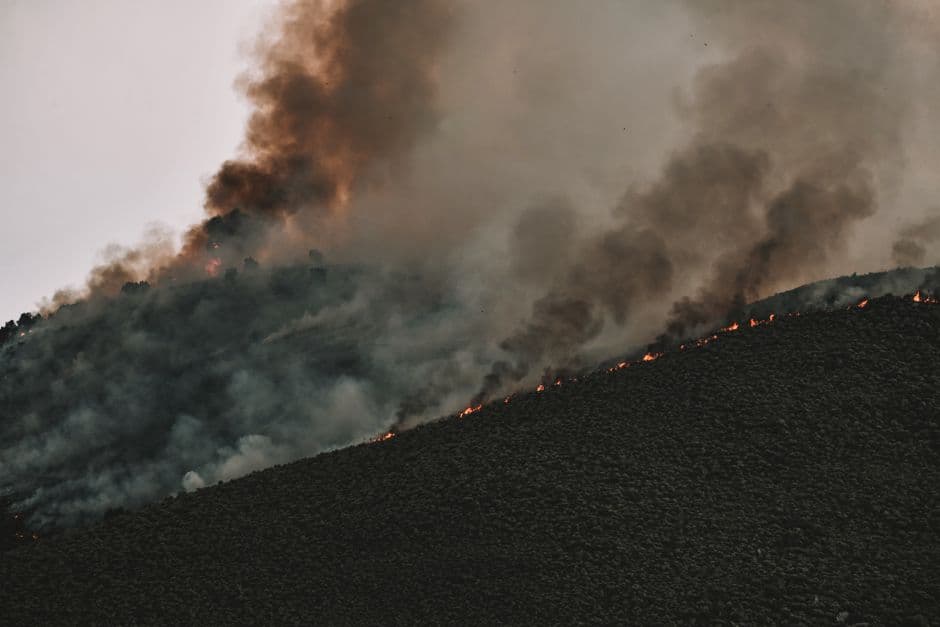
Indonesia's wildfires are tracking toward emissions levels that match the century's worst year on record. The scale matters because Indonesia's fire-driven carbon releases dwarf most national emission inventories – the 2015 El Niño-driven fires released roughly 1.5 gigatonnes of CO2, briefly making Indonesia the world's third-largest emitter that year. We're now seeing similar conditions emerge in 2026, driven by the current El Niño cycle and drought conditions that leave peatlands and forests tinder-dry.
This isn't a footnote in global climate accounts. Indonesia's peatland fires are disproportionately carbon-dense because peat stores centuries of accumulated vegetation – burning it releases both current biomass and prehistoric carbon in rapid succession. Yet these emissions sit in an awkward policy space: they're not consistently counted in national carbon accounting frameworks, they're episodic (El Niño-dependent), and they fall outside most corporate scope 3 supply-chain protocols unless a company sources palm oil or timber directly from fire-affected zones.
The real problem is predictability and prevention. If 2026 emissions replicate 2015 levels, Indonesia will have released as much carbon in a single year as many nations emit over a decade – but through a mechanism that policy frameworks treat as a natural disaster rather than a governance failure. Land-use and forest management standards exist; enforcement and early-warning systems do not operate at the scale needed. For companies with Indonesian supply chains, this matters immediately: fire risk is now a material climate scenario, not a marginal one.