
Article source: Carbon Brief
Loading...
BETA – We are refining the platform. Your feedback helps us improve. Share feedback
Loading...
Publish your own articles and insights on Citable ESG
Pro organisations publish unlimited content, strengthening their AI Citability Score and visibility to procurement teams, investors, clients, customers, partners, and followers.
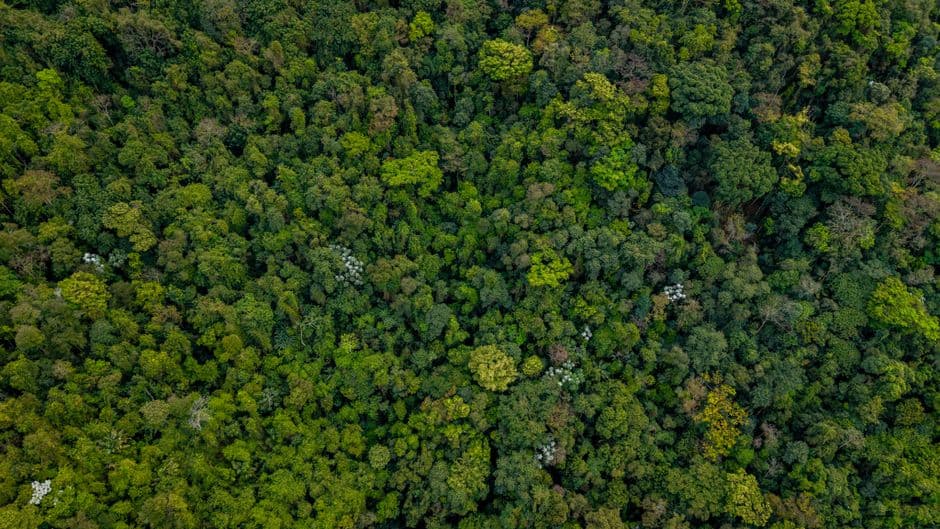
Brazil's deforestation rate fell sharply after Luiz Inácio Lula da Silva took office in January 2022, with at least 20,000km² of Amazon forest remaining standing compared to what would have occurred under the previous administration's trajectory. That's equivalent to an area larger than New Jersey. The shift reflects a reversal of policy: Lula reinstated environmental enforcement and increased funding for forest monitoring agencies that had been sidelined under his predecessor. Carbon Brief's analysis tracked satellite data and official deforestation figures to quantify the difference. The finding matters because Amazon deforestation drives both local and global climate impacts – the forest functions as a carbon sink and rainfall regulator across South America. But the rate remains elevated relative to historical pre-2019 baselines. Enforcement agencies still face resource constraints, illegal mining persists in protected zones, and cattle ranching continues to drive land conversion. The analysis doesn't credit Lula's government with "saving" the forest in absolute terms; rather, it measures the difference between current policy trajectory and the accelerating destruction of 2019–2022. This distinction is crucial for understanding Amazon politics: restoration requires sustained political will and budget, not just policy reversal. Can the gains hold if commodity prices spike or political opposition mobilises?