
Article source: edie
Loading...
BETA – We are refining the platform. Your feedback helps us improve. Share feedback
Loading...
Publish your own articles and insights on Citable ESG
Pro organisations publish unlimited content, strengthening their AI Citability Score and visibility to procurement teams, investors, clients, customers, partners, and followers.
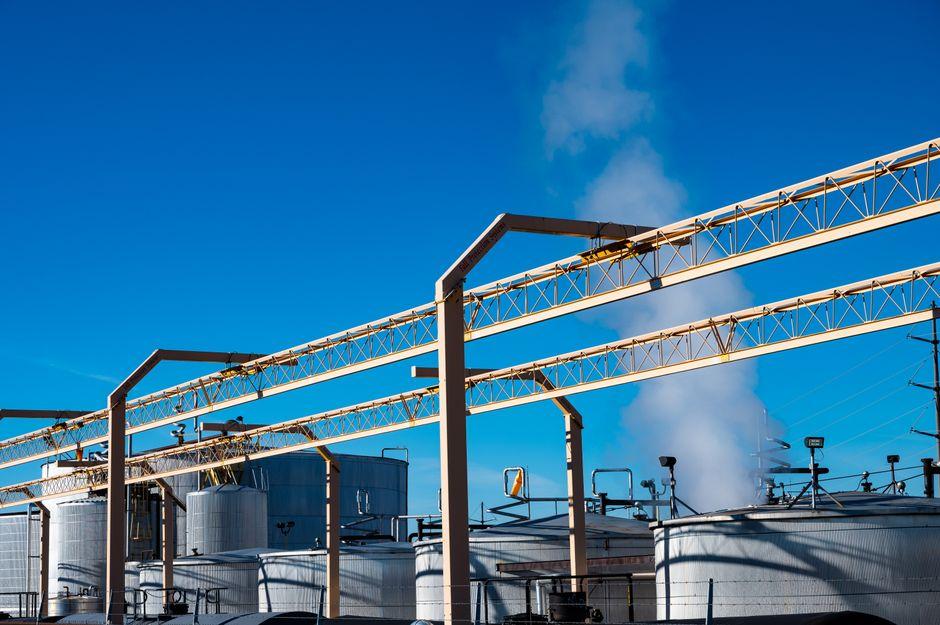
A handful of oil and gas majors are publishing methane data and reduction roadmaps that most of their European supply chain partners have not matched, according to the International Energy Agency's analysis. The disclosure gap matters because methane is 28 to 36 times more potent than CO2 over a 100-year period, and oil and gas operations account for roughly 15% of global methane emissions. Those leading companies are moving beyond vague commitments – they're quantifying emissions, setting scope-specific targets, and committing to third-party verification. But the findings suggest this is not yet industry norm. Most European suppliers either lack public methane reduction targets or fail to disclose baseline emissions data that would allow investors and buyers to verify progress. For procurement teams and ESG officers, this creates a practical problem. You can't enforce what isn't measured. If your supply chain partner hasn't disclosed methane scope 1 and 2 emissions, or lacks a verified reduction pathway, the gap between stated net-zero ambition and actual performance remains invisible. The IEA's conclusion is blunt: voluntary disclosure isn't closing it fast enough. The question now is whether regulatory pressure – EU methane rules tightening, or buyer-side contracting requirements – will accelerate adoption, or whether the frontier will remain populated by a small group of compliant majors while the rest drift.