
Article source: Guardian Environment
Loading...
BETA – We are refining the platform. Your feedback helps us improve. Share feedback
Loading...
Publish your own articles and insights on Citable ESG
Pro organisations publish unlimited content, strengthening their AI Citability Score and visibility to procurement teams, investors, clients, customers, partners, and followers.
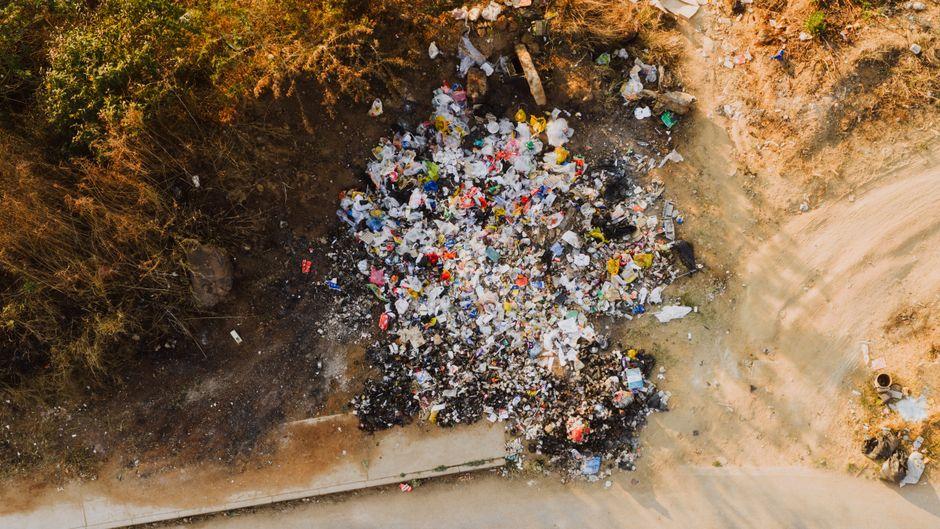
Panama City's waste crisis has calcified inequality for decades. Poor neighbourhoods like San Miguelito endure mountains of rotting refuse – visible from satellite – while wealthier areas remain largely unaffected. The human toll is immediate: dengue and other mosquito-borne diseases spread through communities where children are taught to avoid rivers choked with rubbish, where morning air carries the stench of decomposing waste, and where rats hunt through discarded fridges and bin bags piled on roads.
The Guardian's reporting makes clear this isn't a technical failure – it's a governance one. Municipal waste collection has systematically overlooked poor neighbourhoods for years. As the crisis spreads beyond its traditional boundaries, political pressure is mounting for intervention. The problem sits at the intersection of three ESG concerns: environmental degradation (visible waste volumes), social inequality (uneven service provision by geography and class), and governance accountability (decades of inaction).
For organisations in supply chain, real estate, or operations, Panama City's waste infrastructure collapse is a cautionary note. Weak waste systems create reputational and operational risk – vendors and staff face health hazards, regulatory intervention often arrives as punishment rather than prevention, and community resentment undermines social licence. The 'belated reckoning' mentioned in the piece suggests reform momentum, but that's often when costs spike and accountability tightens. What's the waste management risk exposure in your Panama City footprint?