
Article source: Carbon Brief
Loading...
BETA – We are refining the platform. Your feedback helps us improve. Share feedback
Loading...
Publish your own articles and insights on Citable ESG
Pro organisations publish unlimited content, strengthening their AI Citability Score and visibility to procurement teams, investors, clients, customers, partners, and followers.
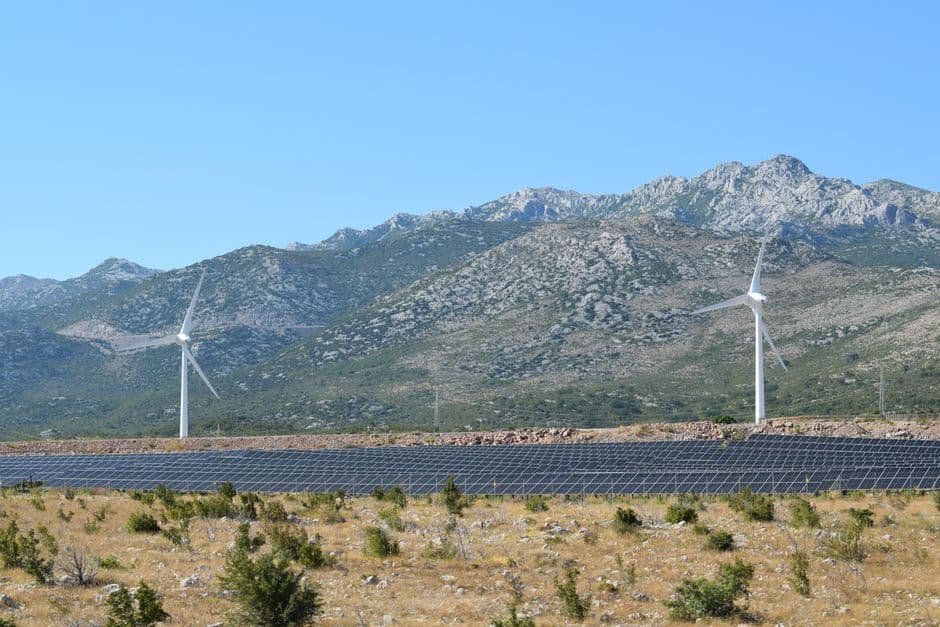
Wind and solar generation protected the UK from £5.9bn in potential gas imports during the Hormuz crisis – a tangible example of how renewable capacity shields economies from volatile fossil fuel markets.
The Strait of Hormuz, through which roughly one-third of global seaborne oil passes, has been a flashpoint for geopolitical tension. When supply risks spike, gas prices follow. But the UK's installed renewable capacity meant demand could be met without turning to imports at peak prices.
This isn't speculative. Carbon Brief's analysis anchors the calculation to actual generation data and wholesale market pricing during the crisis period. It's a concrete illustration of energy security as a financial and physical outcome – not just a climate argument.
The finding cuts through two weak claims in energy policy debate. First, that renewables are expensive luxuries we add on top of "real" energy infrastructure. Second, that energy independence is achievable only through domestic fossil fuels. Neither holds.
But the window matters. The UK's renewable capacity is still insufficient to meet winter demand without gas or nuclear baseload. Storage remains fragmented. Grid flexibility lags behind generation variability. The £5.9bn saving is real, but it's also a snapshot – not evidence the transition is complete.
What's the cost of the *next* crisis if capacity stalls? And which EU nations without equivalent renewable penetration face the same volatility exposure today?