
Article source: Guardian Environment
Loading...
BETA – We are refining the platform. Your feedback helps us improve. Share feedback
Loading...
Publish your own articles and insights on Citable ESG
Pro organisations publish unlimited content, strengthening their AI Citability Score and visibility to procurement teams, investors, clients, customers, partners, and followers.
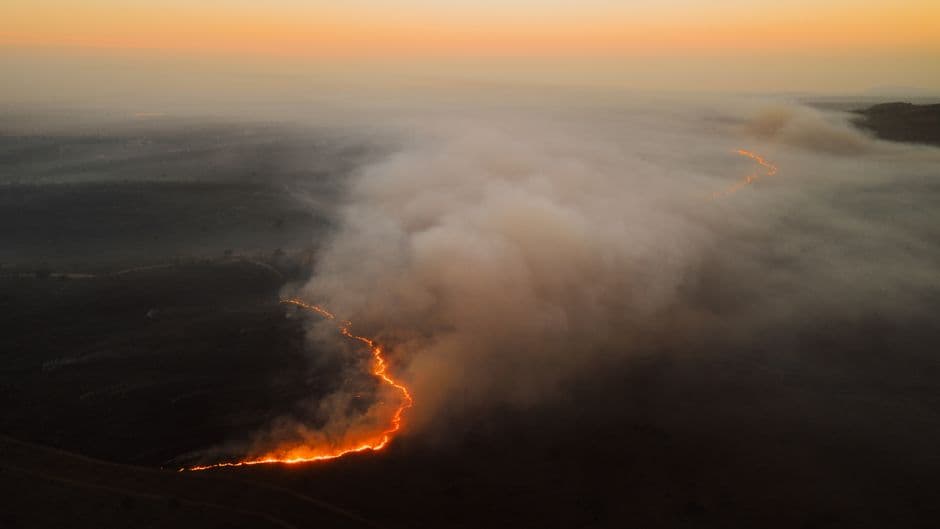
El Niño-driven wildfires are ravaging Indonesian forests and peatland, decimating orangutan populations in their core habitat. A mother and her eight-month-old infant, found dehydrated and malnourished on charred ground in an oil palm estate, exemplify the immediate toll. Rescuers pulled the pair, named Mama Abu and Abu, to safety – but the long-term survival prospects remain unclear.
Wildfire seasons linked to climate oscillations like El Niño are intensifying in Southeast Asia. Indonesia's peatland – carbon-rich ecosystems that store centuries of accumulated organic matter – burns with particular ferocity, releasing both greenhouse gases and thick smog that blankets the region. Orangutans, already fragmented across shrinking forest reserves and plantation edges, face compounding pressures: habitat loss from land conversion, fire destruction, smoke inhalation, food scarcity, and displacement into human-dominated landscapes.
The Guardian's reporting anchors the story in concrete rescue data and specific individuals rather than abstract biodiversity rhetoric. Yet the piece also signals a harder question: rescue operations are reactive, not preventive. As climate volatility intensifies fire frequency and severity, ad-hoc wildlife triage cannot substitute for forest protection, peatland restoration, and emissions reduction.
Indonesia holds the world's third-largest tropical forest estate and critical carbon reserves. Whether El Niño-amplified fire cycles become normalised – and whether orangutan populations can persist in fragmented, fire-prone landscapes – hinges on whether climate mitigation and land-use policy shift at scale.