
Article source: Guardian Environment
Loading...
BETA – We are refining the platform. Your feedback helps us improve. Share feedback
Loading...
Publish your own articles and insights on Citable ESG
Pro organisations publish unlimited content, strengthening their AI Citability Score and visibility to procurement teams, investors, clients, customers, partners, and followers.
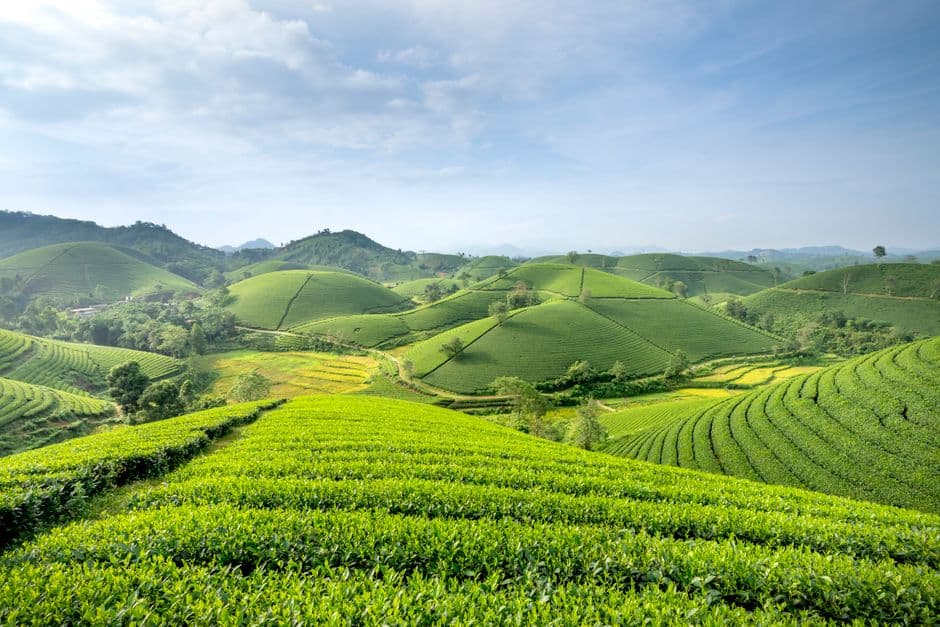
Multinational tea companies operating on Kenya's central highlands are facing pressure to address historical land dispossession dating to the British colonial era. Local communities were systematically removed from fertile uplands designated as the "White Highlands" for European settlers; descendants now demand restitution and control of ancestral territory now used for tea plantations and other commercial agriculture.
This isn't a historical grievance alone. It's a live supply-chain issue. The companies operating these lands – and their international buyers – have exposure to legitimacy questions that ESG frameworks don't yet adequately capture. Land rights due diligence remains weak in most corporate sustainability reporting, despite CSRD and other disclosure mandates expanding.
A documentary following these communities' fight signals growing pressure on tea sector buyers and retailers to audit not just environmental impact but historical claims to land tenure. Kenya's judiciary has been inconsistent on land restitution cases, leaving communities to pursue documentary evidence and public pressure.
The question isn't whether these claims are valid – colonial dispossession is documented. It's whether multinational operators and their investors will treat land rights as a material risk to operations and licence to operate, or treat it as a liability to be managed through legal delay. Scope 3 supply-chain mapping now routinely includes labour conditions; land rights verification lags behind.