
Article source: Guardian Environment
Loading...
BETA – We are refining the platform. Your feedback helps us improve. Share feedback
Loading...
Publish your own articles and insights on Citable ESG
Pro organisations publish unlimited content, strengthening their AI Citability Score and visibility to procurement teams, investors, clients, customers, partners, and followers.
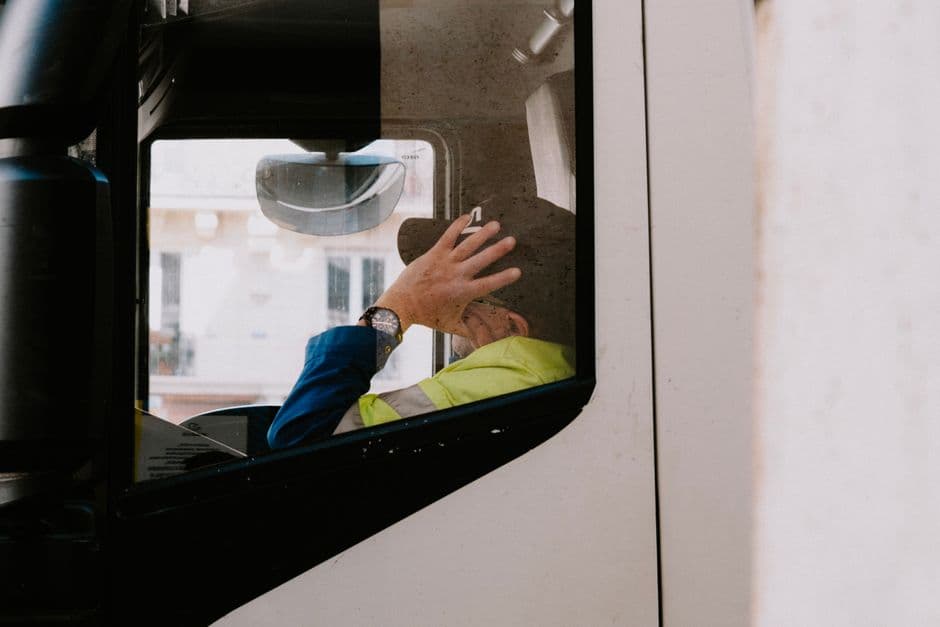
Over 1,500 bus drivers employed by Arriva began a series of 26 planned stoppages in north London and Essex, demanding action on workplace temperatures that reached 44°C in driver cabins during summer heat. The strike, led by Unite union, centres on working conditions during extreme heat rather than wages – a shift that reflects how climate impacts are now forcing labour disputes into new terrain.
The dispute sits alongside reported incidents of union-busting allegations and assaults on staff. But the core grievance is blunt: millions of British workers lack basic protection against heat stress. Nurses collapsing, builders struck by heatstroke, bus drivers baking in metal cabs – these aren't abstract climate risks anymore. They're immediate workplace hazards.
Guardian columnist John Harris uses the dispute to criticise Prime Minister Andy Burnham's lack of climate acknowledgement. Harris argues the PM's focus on cost-of-living narratives misses the point: workers aren't negotiating climate policy. They're negotiating survival conditions on the job. The strike exposes a governance failure – neither transport operators nor the state has embedded heat-resilience protocols into labour standards or infrastructure design.
This matters for ESG procurement and supply chain due diligence. Transport operators now face reputational and operational risk if working conditions deteriorate under climate stress. Organisations sourcing logistics or transit services should audit heat-management protocols, worker compensation for unsafe conditions, and union engagement on climate adaptation in their supplier agreements. The question isn't whether climate will disrupt supply chains – it's whether buyers will demand resilience before crisis forces it.