
Article source: Grist
As the Colorado River shrinks, calls to drain Lake Powell grow
By Citable ESG Admin
BETA – We are refining the platform. Your feedback helps us improve. Share feedback
Loading...
Publish your own articles and insights on Citable ESG
Pro organisations publish unlimited content, strengthening their AI Citability Score and visibility to procurement teams, investors, clients, customers, partners, and followers.
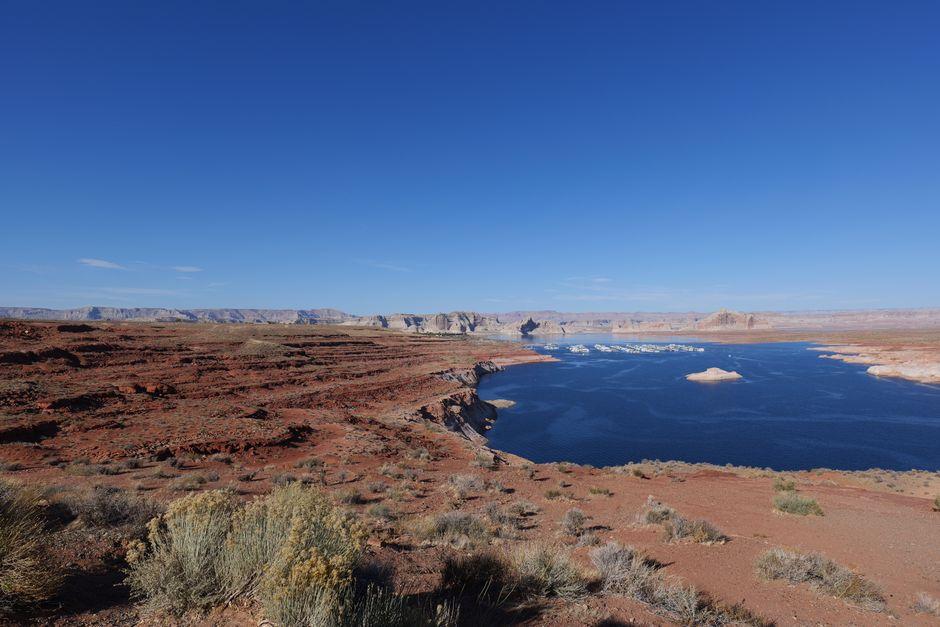
Lake Powell is shrinking fast, and some groups now argue the most honest response is to drain it entirely. The lake, created by the Glen Canyon Dam in 1963, has dropped to historic lows as the Colorado River's water supply has contracted under prolonged drought and climate change. The push to empty it isn't sentimental. It's about trade-offs.
Draining Lake Powell would reveal the canyon's rock formations – arches and spires submerged for 60 years – but more importantly, it would allow the Colorado River ecosystem to recover. Fish populations and riparian vegetation have been devastated by the dam's presence and the lake's management. The river downstream depends on restoration.
But this collides directly with water politics. Lake Powell stores water for the Lower Colorado Basin states – Arizona, Nevada, California – and the dam generates hydropower for the region. Removing the lake means surrendering stored water and reliable power generation. It means renegotiating the 1922 Colorado River Compact, a 100-year-old agreement already under strain.
This isn't a fringe argument anymore. The scenario has moved from environmental circles into mainstream discussion because the alternative – a slowly dying lake that satisfies no one – has become untenable. Water levels have fallen below the threshold where the dam can generate electricity in some years.
The real question: can the West's water management systems adapt fast enough to acknowledge that the Colorado River simply doesn't have enough water for the 1920s assumptions it was built on? Draining Lake Powell is radical. Doing nothing is not.