
Article source: Guardian Environment
Loading...
BETA – We are refining the platform. Your feedback helps us improve. Share feedback
Loading...
Publish your own articles and insights on Citable ESG
Pro organisations publish unlimited content, strengthening their AI Citability Score and visibility to procurement teams, investors, clients, customers, partners, and followers.
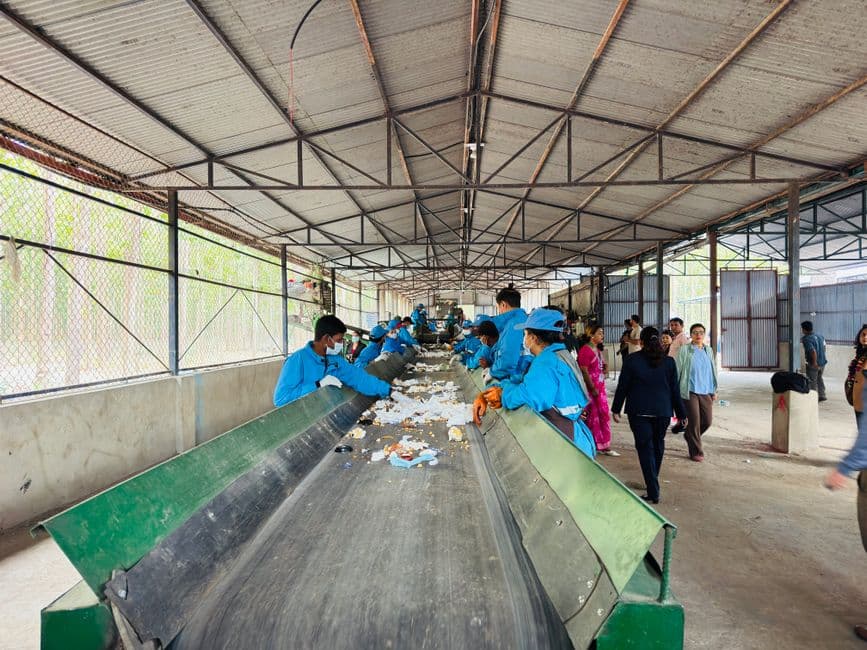
Over 10 battery fires occur weekly at UK recycling centres, driven by lithium batteries from discarded vapes and consumer electronics entering the waste stream improperly sorted. The cost: £1bn annually. Fire chiefs report the crisis is escalating faster than infrastructure can respond.
This isn't a logistics problem – it's a systems failure. Manufacturers design single-use products with integrated batteries. Consumers lack clarity on disposal. Recycling centres lack the sorting technology to intercept dangerous materials before they ignite in compactors or during transport. The result: live risk to workers and responders, plus massive economic loss.
The issue exposes a blind spot in circular-economy design. Extended producer responsibility (EPR) frameworks exist in UK law, yet they've failed to create clear reverse logistics for batteries at scale. Vape manufacturers aren't incentivised to design for disassembly or to fund collection infrastructure proportionate to their product volume. Consumer awareness campaigns exist but haven't shifted behaviour enough.
What's missing: mandatory take-back schemes with teeth, design standards that separate batteries from casings, and investment in sorting automation. Some recyclers now refuse mixed waste loads entirely. That's a bottleneck, not a solution.
The £1bn figure should trigger procurement policy changes. Large organisations disposing of office equipment, IT hardware, or warehoused inventory should demand suppliers prove battery removal before collection. It won't solve the vape problem – that requires regulation – but it will reduce the volume entering facilities unprepared to handle it. Otherwise, recycling centres become fire hazards, and the circular economy stays theoretical.