
Article source: BBC Science & Environment
Beavers 'could boost wildlife and tackle drought'
By Citable ESG Admin
BETA – We are refining the platform. Your feedback helps us improve. Share feedback
Loading...
Publish your own articles and insights on Citable ESG
Pro organisations publish unlimited content, strengthening their AI Citability Score and visibility to procurement teams, investors, clients, customers, partners, and followers.
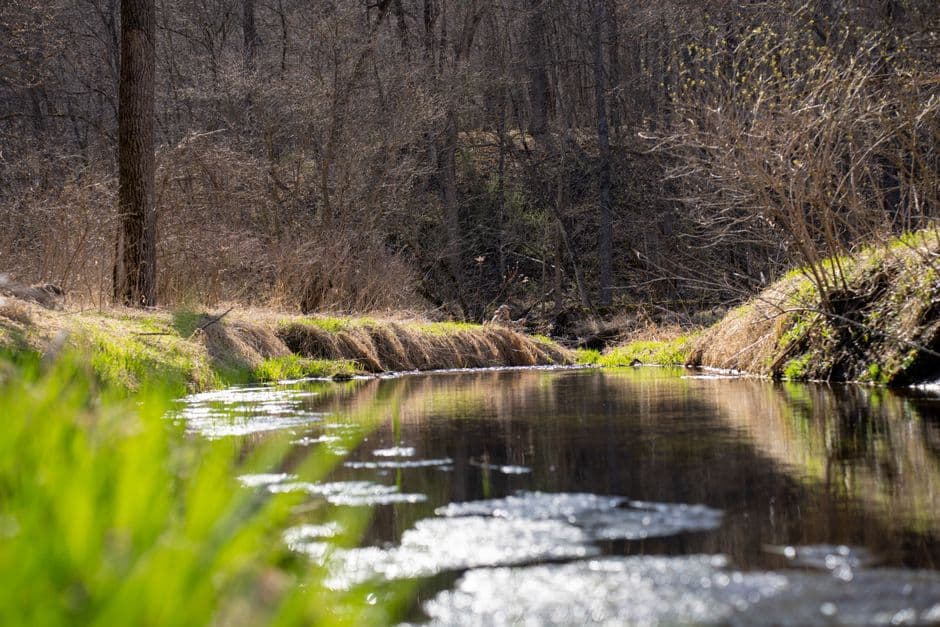
Gloucestershire Wildlife Trust is exploring beaver reintroduction as a nature-based response to water scarcity and biodiversity loss. Beavers engineer wetland systems that retain water, reduce flood risk, and create habitat for other species – a direct ecological intervention rather than technological or market-based solutions.
The rationale is straightforward. Beaver dams trap sediment and water during periods of abundance, releasing it gradually through dry seasons. In a climate marked by increased drought frequency, this buffering effect addresses both water stress and flood intensity. The trust is currently identifying suitable geographical and hydrological contexts for pilot reintroductions.
This sits within a broader European trend of large herbivore and keystone species restoration. Similar projects in Scotland, the Netherlands, and France have documented measurable improvements in riparian health, water tables, and bird and invertebrate populations. But beaver reintroduction is not a standalone environmental fix – it requires land access negotiation, farmer engagement, and landscape-scale planning to succeed.
The environmental case is stronger than the water-scarcity narrative alone suggests. Restored wetland systems sequester carbon, filter runoff, and reduce reliance on hard engineering (dams, reservoirs) that carries its own ecological cost. Whether Gloucestershire's initiative scales depends on land availability, stakeholder buy-in, and whether planners treat beavers as infrastructure or pest.
The real question: will wildlife trusts receive the regulatory clarity and funding to move beyond pilot projects into landscape-level implementation?