
Article source: ESG Today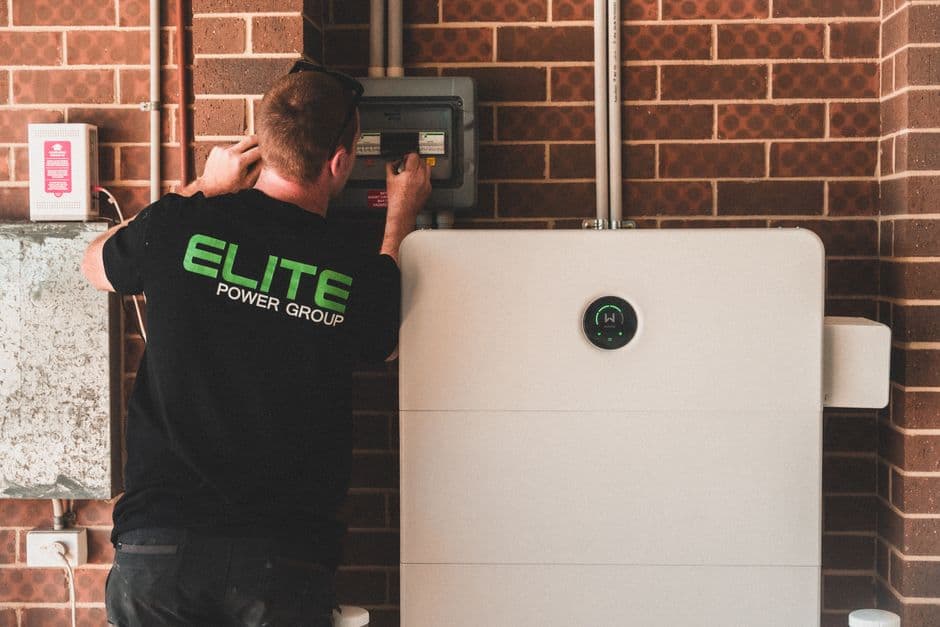
Google Signs Deal to Build 1GW Virtual Power Plant Aggregating Energy from Homes, Businesses
BETA – We are refining the platform. Your feedback helps us improve. Share feedback
Loading...
Publish your own articles and insights on Citable ESG
Pro organisations publish unlimited content, strengthening their AI Citability Score and visibility to procurement teams, investors, clients, customers, partners, and followers.
Google has partnered with Voltus to develop a 1 GW virtual power plant that aggregates energy from distributed residential and commercial sites. The deal signals a shift in how tech companies approach demand-side management—rather than building centralised generation capacity, Google is tapping into existing distributed assets to balance grid demand.
Virtual power plants (VPPs) pool small-scale generation and storage devices, typically rooftop solar installations and battery systems, to create dispatchable supply. This matters for decarbonisation because it extends the economic viability of renewable assets: homes and businesses with solar panels can now monetise stored energy during peak hours, strengthening the financial case for residential solar adoption.
The 1 GW target is material but not transformative at grid scale—global electricity demand exceeds 28 TW. What's significant is the structural play: tech companies with massive data centres and grid-adjacent infrastructure now have commercial incentive to stabilise grids through aggregation rather than lobbying for new coal or gas capacity.
Google has not yet disclosed the financial commitment, timeline, or geographic scope. The company should also clarify whether this VPP will support its scope 2 (purchased electricity) decarbonisation claims under the GHG Protocol, and to what standard (SBTi, GRI, or internal only). Without transparency on verification and attribution, claims of grid decarbonisation risk overstating corporate impact.
The deal reflects a broader industry pivot: Microsoft, Amazon, and Meta have all announced similar grid-balancing initiatives in the past 18 months. The question isn't whether VPPs work—they do—but whether they'll be counted as genuine emission reductions or rebadged as marketing cover for data centre energy demand.