
Article source: Grist
For Black voters, climate action means little without relief from rising costs
By Citable ESG Admin
BETA – We are refining the platform. Your feedback helps us improve. Share feedback
Loading...
Publish your own articles and insights on Citable ESG
Pro organisations publish unlimited content, strengthening their AI Citability Score and visibility to procurement teams, investors, clients, customers, partners, and followers.
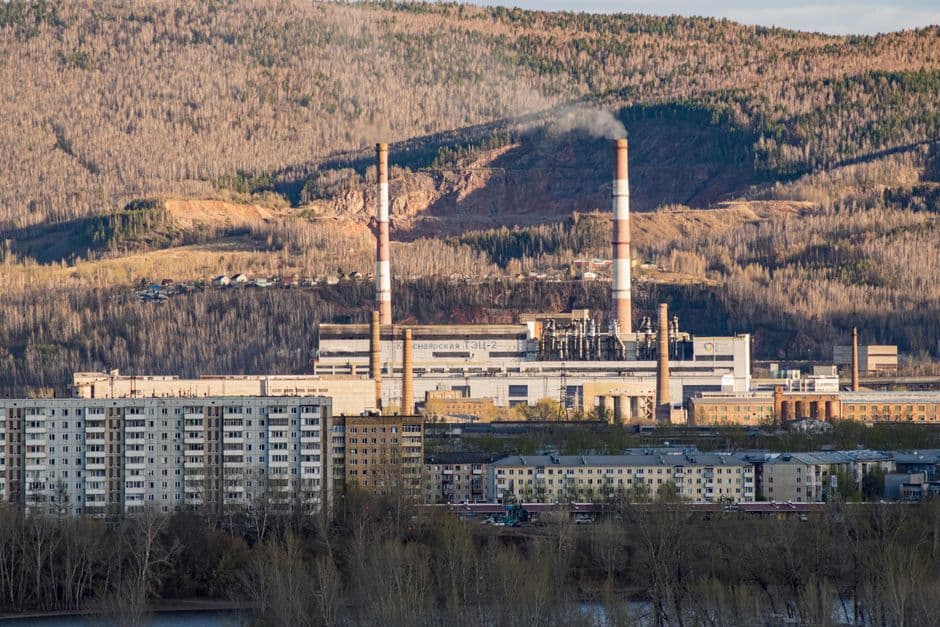
Black voters prioritise immediate economic relief over abstract climate commitments. Rising utility bills, the expansion of data centres in low-income neighbourhoods, and disproportionate exposure to pollution shape how this demographic evaluates climate action from elected officials.
The framing matters here. Climate messaging that ignores household cost pressures—energy poverty, water bills, transport affordability—reads as disconnected from lived experience. Data centre proliferation in predominantly Black communities raises a sharper concern: energy-intensive infrastructure attracts to areas where land is cheaper and political power is weaker, concentrating both economic benefit and environmental burden unevenly.
This isn't a rejection of climate action. It's a demand that climate policy deliver material benefit to communities already bearing disproportionate environmental risk. Without that, pledges to decarbonise or transition to renewables feel like someone else's priority.
For policymakers and corporate sustainability leads, the implication is stark. Net-zero targets and renewable energy investment mean nothing to communities facing fuel poverty or relocatable pollution sources. Just transition frameworks that fail to centre cost relief and local economic ownership will lose political legitimacy.
The gap between climate ambition and economic security in Black neighbourhoods isn't a messaging problem. It's a structural one—and it's deepening electoral scepticism of climate governance. Officials promising green infrastructure without addressing energy affordability or corporate accountability for neighbourhood degradation are not being heard as serious.