
Article source: ESG Dive
Loading...
BETA – We are refining the platform. Your feedback helps us improve. Share feedback
Loading...
Publish your own articles and insights on Citable ESG
Pro organisations publish unlimited content, strengthening their AI Citability Score and visibility to procurement teams, investors, clients, customers, partners, and followers.
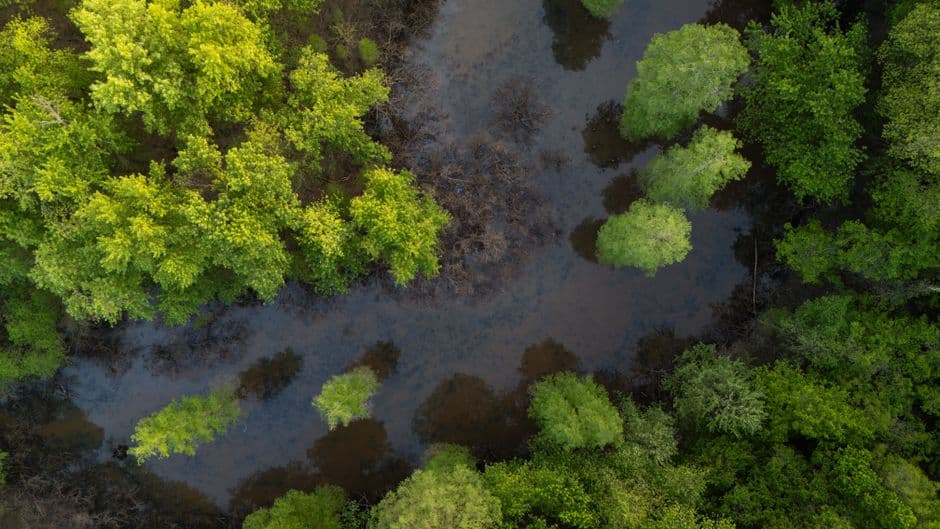
Bank of America and King Charles III's sustainability initiative have committed $40 million to the Lighthouse Initiative, a fund focused on deploying private capital into nature and biodiversity solutions that struggle to attract conventional investment.
The move reflects a specific gap in the conservation finance market: projects with measurable environmental outcomes rarely make it through traditional institutional funding channels. The Lighthouse Initiative exists to bridge that gap – identifying, scaling, and financing nature-based interventions across landscapes and geographies.
This sits within a broader pattern. Institutional investors have long treated nature investment as niche or high-risk. But biodiversity loss is now material to financial stability. The TCFD, EU taxonomy, and double-materiality requirements mean boards can no longer treat ecosystem collapse as someone else's problem.
What makes this $40 million notable isn't the headline figure – it's the anchor tenant. When a major US bank co-invests alongside a royal patron, it signals something to other LPs: nature isn't charity, it's infrastructure. The types of projects funded matter too – regenerative agriculture, wetland restoration, marine conservation – but the RSS item doesn't detail which geographies or specific investments are prioritised.
The real test: does this capital actually flow to underfunded projects, or does it consolidate around bankable solutions that would have been financed anyway? And what happens when the headline novelty fades – does the capital become permanent?