
Article source: Guardian Environment
Loading...
BETA – We are refining the platform. Your feedback helps us improve. Share feedback
Loading...
Publish your own articles and insights on Citable ESG
Pro organisations publish unlimited content, strengthening their AI Citability Score and visibility to procurement teams, investors, clients, customers, partners, and followers.
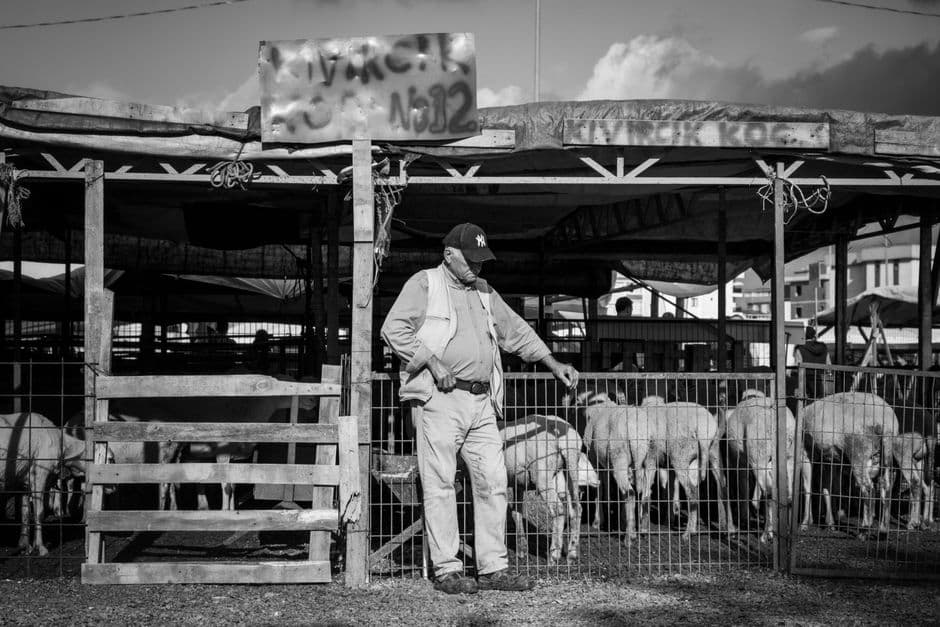
Great Britain has experienced its worst bluetongue season on record, constituting what the British Veterinary Association president described to MPs as a major animal welfare crisis. Bluetongue is a viral disease affecting sheep, cattle and goats, causing fever, lesions, stillbirths and death. The disease has placed farmers under severe emotional and operational stress.
The surge reflects a wider pattern: bluetongue's northward range expansion correlates directly with rising temperatures and altered Culicoides midge breeding patterns – the insect vectors that transmit the virus. Climate change is reshaping disease geography across livestock supply chains, and the UK's agricultural sector is absorbing the cost of adaptation with minimal preparation.
This matters for ESG-conscious supply chain actors because livestock procurement teams now face real production volatility and animal welfare risks that weren't modelled into sourcing strategies two years ago. Farmers report both immediate losses and longer-term uncertainty about herd viability. The BVA's parliamentary testimony signals that animal health is now a material business risk, not a peripheral concern.
For organisations with UK meat or dairy exposure – whether as direct purchasers, investors, or retailers – bluetongue represents a stress-test of supply chain resilience. How are you tracking disease emergence in your supply base? Do your animal welfare commitments account for climate-driven disease shifts? Adaptation investment in veterinary infrastructure and genetic selection for disease resistance will likely become a competitive necessity within three to five years.