
Article source: ESG Dive
Xcel Energy rolls out $70B, 5-year capital plan focused on renewables
By Citable ESG Admin
BETA – We are refining the platform. Your feedback helps us improve. Share feedback
Loading...
Publish your own articles and insights on Citable ESG
Pro organisations publish unlimited content, strengthening their AI Citability Score and visibility to procurement teams, investors, clients, customers, partners, and followers.
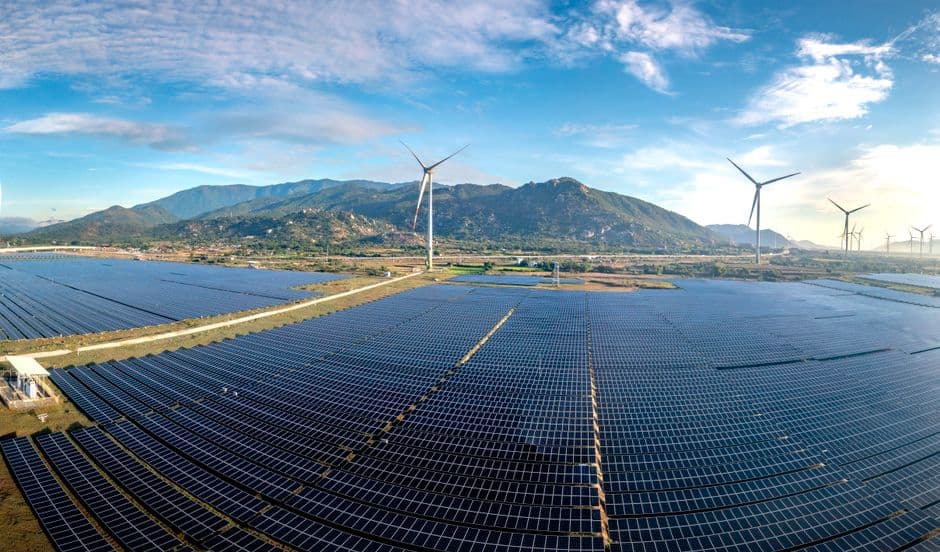
Xcel Energy announced a $70 billion capital investment plan over five years targeting 9.2 gigawatts of renewable energy capacity and 2.3 gigawatts of storage. CEO Bob Frenzel framed the commitment as reconciling environmental protection with meeting rising electricity demand – a statement that invites scrutiny.
The scale is substantial. $70 billion across five years represents meaningful infrastructure reallocation toward wind and solar. Yet the announcement lacks critical details: no mention of retirement timelines for existing coal or gas assets, no scope clarification (is this capex only, or inclusive of ongoing operations?), and no third-party verification pathway named.
Xcel operates across 14 states and serves 3.7 million customers. The utility faces regulatory pressure from multiple state legislatures to accelerate decarbonisation. This plan will be tested against those mandates and against investor expectations for substantive emissions reduction targets.
What's absent matters. Frenzel's framing of "protecting the planet while serving demand" sidesteps a harder question: whether $70 billion in renewables capex actually reduces absolute emissions or simply adds green capacity alongside continued fossil fuel generation. The renewable gigawatts tell us scale. They don't tell us grid decarbonisation trajectory, retirement dates for carbon-intensive plants, or scope 3 emissions across the supply chain.
Verification will come through regulatory filings and annual sustainability disclosures. Until then, this is a capital commitment – significant, but incomplete as evidence of decarbonisation strategy. The market and policymakers will want to see the full asset retirement roadmap.