
Article source: BBC Science & Environment
Loading...
BETA – We are refining the platform. Your feedback helps us improve. Share feedback
Loading...
Publish your own articles and insights on Citable ESG
Pro organisations publish unlimited content, strengthening their AI Citability Score and visibility to procurement teams, investors, clients, customers, partners, and followers.
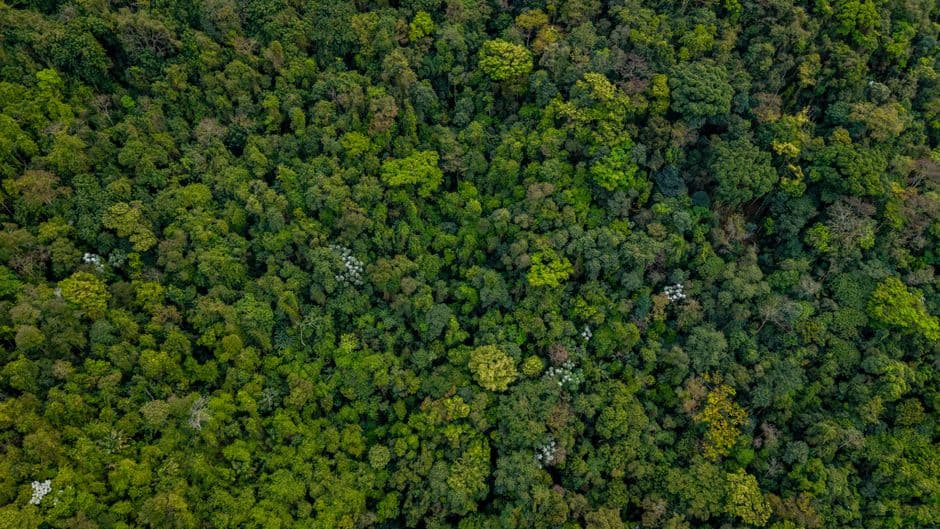
Brazil recorded its steepest drop in Amazon deforestation in over a decade, reversing years of expansion under Jair Bolsonaro's administration. The shift matters because the Amazon absorbs roughly 2 billion tonnes of carbon annually and regulates rainfall patterns across South America – both critical to climate stability and agricultural output across the continent.
The timing is significant. This deforestation decline occurs as Brazil approaches a presidential election cycle where environmental policy will be contested. Under Bolsonaro, deforestation accelerated sharply; the reversal reflects changed enforcement priorities and political direction.
But a single year's improvement doesn't indicate structural change. Annual deforestation figures fluctuate with enforcement budgets, commodity prices, and political will. The Amazon still loses forest cover at rates incompatible with 1.5°C climate targets. Brazil's own climate commitments require zero illegal deforestation by 2028 – a target that requires sustained political commitment beyond electoral cycles, investment in land-use alternatives for rural communities, and enforcement capacity that withstands economic pressure from agribusiness.
What determines whether this year's reduction becomes a trend rather than a blip? The answer lies in whether the next Brazilian government maintains or expands monitoring infrastructure, prosecutes illegal operators consistently, and creates economic incentives for forest conservation that compete with cattle and soy production.