
Article source: ESG Dive
Loading...
BETA – We are refining the platform. Your feedback helps us improve. Share feedback
Loading...
Publish your own articles and insights on Citable ESG
Pro organisations publish unlimited content, strengthening their AI Citability Score and visibility to procurement teams, investors, clients, customers, partners, and followers.
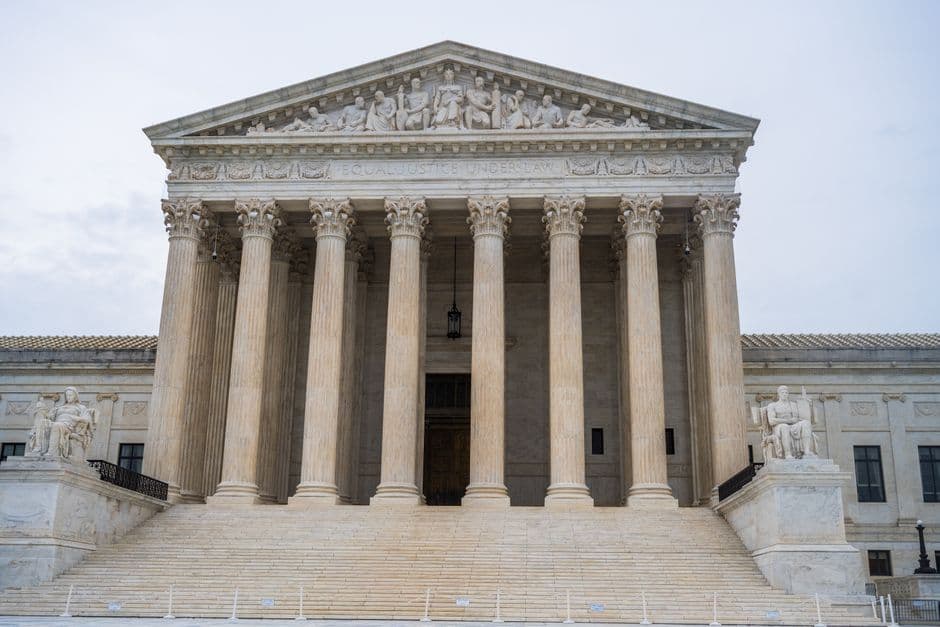
A US federal judge declined to block Trump's March executive order restricting diversity, equity and inclusion programmes for federal contractors. The ruling rejected constitutional arguments from plaintiffs challenging the directive, but narrowed its scope significantly. The judge ruled the order only applies to conduct already prohibited by federal law – a critical distinction that constrains how aggressively the administration can enforce it.
The decision matters because federal contractor rules shape how large organisations implement DEI at scale. Many Fortune 500 companies hold federal contracts worth billions annually, meaning changes to contractor compliance rules ripple through corporate governance frameworks. The judge's framing – that the order targets only legally prohibited conduct – suggests courts may continue to scrutinise overly broad interpretations.
However, this doesn't resolve the underlying tension. Federal contractors now face legal uncertainty about what DEI work remains permissible under existing anti-discrimination law versus what the administration deems impermissible under the executive order. Organisations will likely tighten DEI spending and reporting to avoid enforcement risk, even where legal standing remains unclear.
The practical effect: expect contractor compliance teams to shift from proactive DEI initiatives toward defensive legal positioning. Whether this stabilises around a narrow interpretation of the order – or whether future litigation expands or contracts its scope – remains unresolved. Federal contractors with substantial government revenue should prepare for prolonged legal and operational uncertainty on this front.