
Patagonia blurs the line between secondhand and new clothing
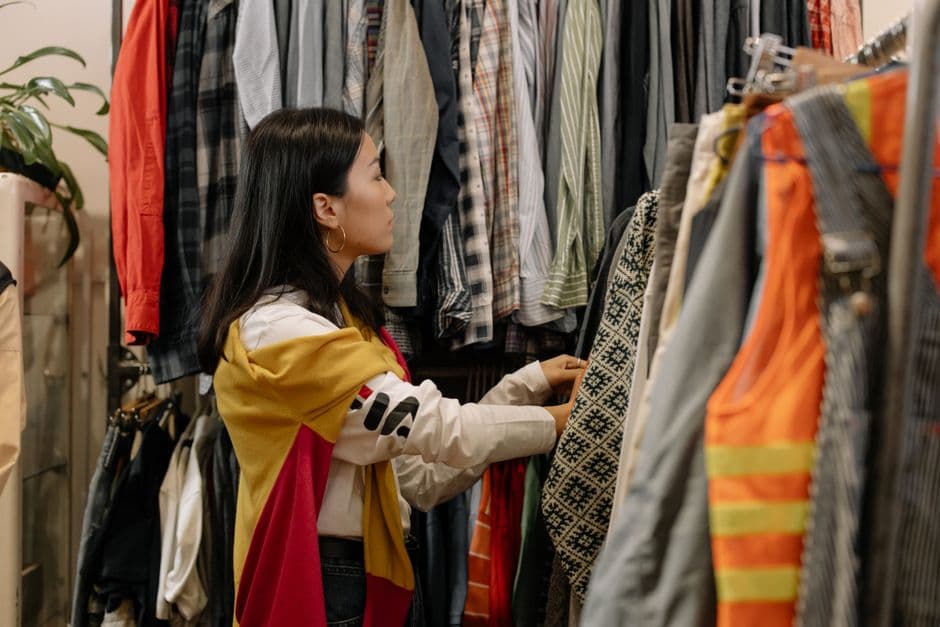
Patagonia sold nearly 160,000 secondhand items in fiscal 2026, generating $13 million in revenue. The move sits at the intersection of genuine circular-economy practice and brand positioning – a distinction worth examining closely.
The scale is real. 160,000 units and $13 million suggest a material operation, not a tokenistic side project. Selling used goods at volume reduces demand for virgin production, which means fewer raw materials extracted, less water consumed in manufacturing, lower transportation footprints per item sold. That's measurable.
But the framing matters. When a premium outdoor brand monetises secondhand sales under its own umbrella, it risks flattening the distinction between circular practice and margin expansion. Patagonia's repair and resale programme (Worn Wear) has legitimacy – the company has invested in repair infrastructure and openly positioned durability as a business principle for two decades. That's different from launching a secondhand channel simply to capture price-sensitive buyers or justify higher new-product pricing.
The risk: secondhand channels become a way to shift inventory and retain customer lifetime value without fundamentally changing production volumes or design philosophy. If Patagonia's new-item output remains flat or grows while used sales accelerate, the secondhand operation is additive margin, not substitution.
The question isn't whether selling used clothing is good – it is. The question is whether Patagonia's programme reduces total production or simply captures additional revenue from the same volume. That distinction determines whether this is circular economy or circular marketing.