
Article source: Guardian Environment
Loading...
BETA – We are refining the platform. Your feedback helps us improve. Share feedback
Loading...
Publish your own articles and insights on Citable ESG
Pro organisations publish unlimited content, strengthening their AI Citability Score and visibility to procurement teams, investors, clients, customers, partners, and followers.
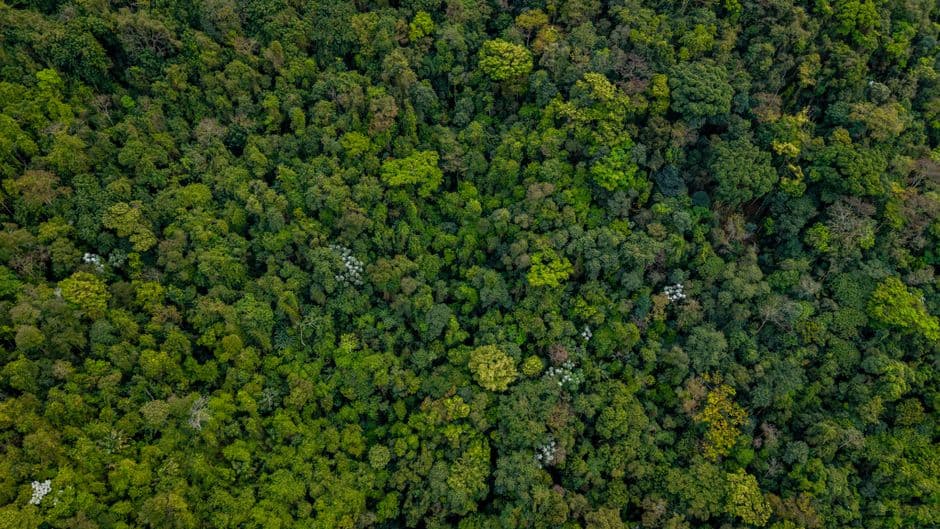
Brazil's Amazon deforestation has hit its lowest level since records began in 1988, according to government data released ahead of the country's 25 October presidential run-off. The achievement marks a reversal of trajectory under Lula's administration and represents a material shift in one of the planet's largest carbon sinks.
But the victory is fragile. The election run-off will determine whether these gains hold or collapse. The two candidates represent opposing commitments to forest protection – a divergence that carries implications beyond Brazil's borders, including for US climate policy under a potential Trump administration.
For investors, NGOs, and corporations with exposure to Brazilian supply chains, this is no longer an abstract climate story. Deforestation rates directly affect commodity pricing, reputational risk, and scope 3 emissions calculations for companies sourcing from the region. Financial institutions integrating Amazon risk into climate scenario analysis now face binary outcomes depending on electoral outcome.
The data itself matters: if the Guardian's reporting is accurate, this establishes a new baseline against which to measure future performance. Organisations publishing TCFD or CSRD disclosures need to flag Brazil as a material geopolitical variable, not a static risk factor.
The question isn't whether deforestation will continue – it will. The question is whether the next government treats it as an externality to tolerate or a constraint to enforce. That distinction will reshape supply chain due diligence for the next decade.