
Article source: Grist
Long after the Maui fires, toxic metals linger in residents’ bodies
By Citable ESG Admin
BETA – We are refining the platform. Your feedback helps us improve. Share feedback
Loading...
Publish your own articles and insights on Citable ESG
Pro organisations publish unlimited content, strengthening their AI Citability Score and visibility to procurement teams, investors, clients, customers, partners, and followers.
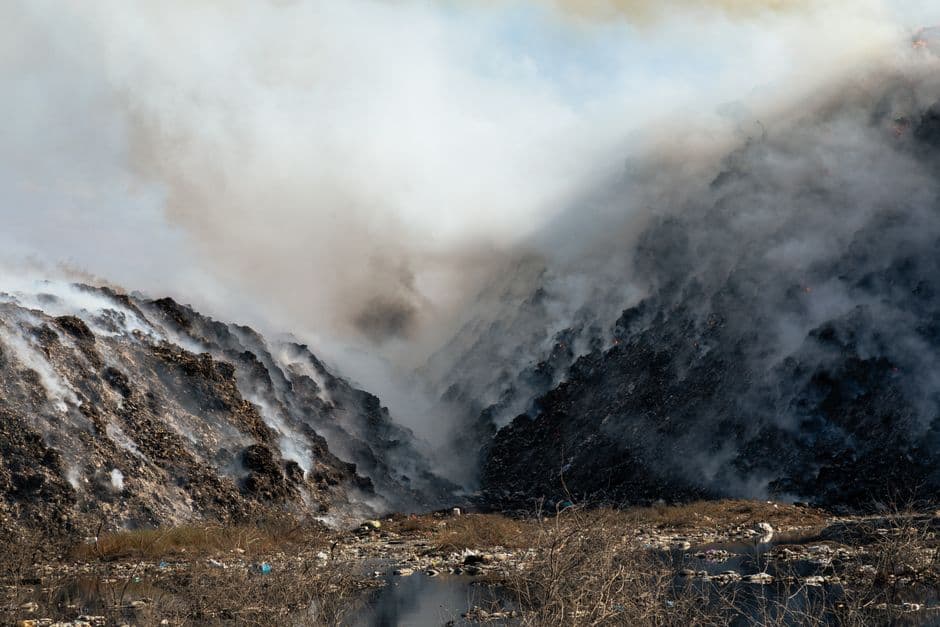
Maui's August 2023 wildfires didn't create toxic exposure – they amplified it. Researchers are now documenting how residents carry elevated levels of heavy metals in their bodies months after the fires, a pattern that traces back through decades of plantation agriculture, coastal development, and colonial land practices.
The fires accelerated mobilisation of contaminants already embedded in soil and water systems. Residents in Lahaina, the hardest-hit community, face compounded exposure: lead and other metals from old infrastructure, pesticide residues from sugarcane operations, and now incinerated materials from burned buildings and vehicles.
This matters for ESG because it exposes the false separation between environmental and social harm. The story isn't about a "natural disaster" striking a blank slate – it's about how historical inequity and ongoing environmental degradation created conditions where a fire becomes a social crisis.
What makes this relevant to governance and procurement is the accountability gap. No entity has systematically tested residents or funded remediation; no organisation has mapped liability across the chain of actors (historical plantation operators, current landowners, developers, insurers). The exposure persists because disclosure doesn't.
For organisations operating in or sourcing from communities with similar histories – colonial land use, extractive agriculture, aging infrastructure – this signals an unaudited risk. Climate events don't distribute harm evenly; they concentrate it where systems are already weakened. The question isn't whether toxic metals will show up in Maui residents' bodies. It's whether any organisation with decision-making power in that supply chain is measuring, reporting, or acting on it.