
Article source: Guardian Environment
Loading...
BETA – We are refining the platform. Your feedback helps us improve. Share feedback
Loading...
Publish your own articles and insights on Citable ESG
Pro organisations publish unlimited content, strengthening their AI Citability Score and visibility to procurement teams, investors, clients, customers, partners, and followers.
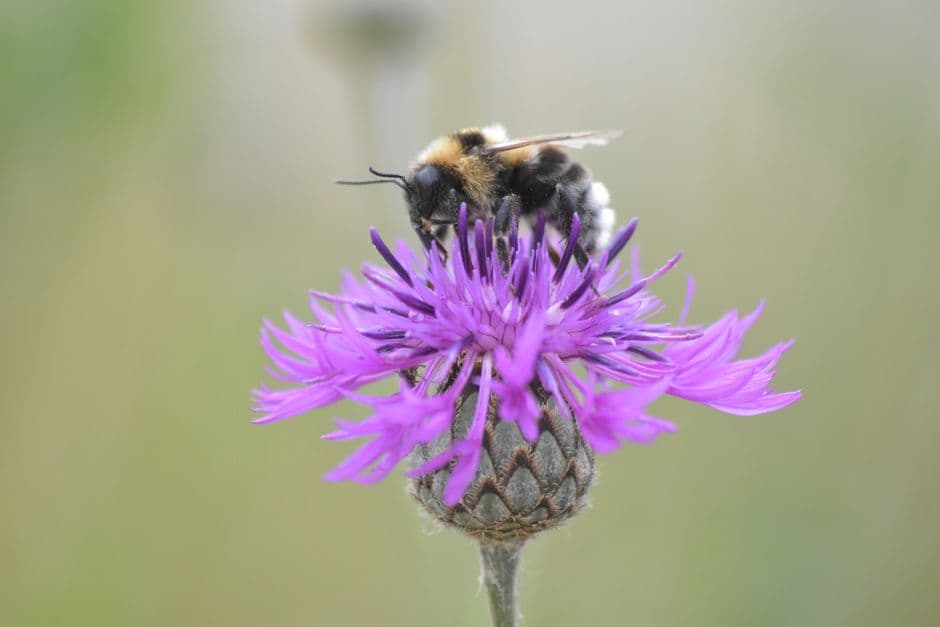
Honeybees are outcompeting wild pollinators for food resources through aggressive displacement behaviour, according to research from Anglia Ruskin University. The study documents a direct correlation: areas with high honeybee concentrations show reduced populations of bumblebees, solitary bees, and hoverflies. The mechanism is physical – honeybees actively bump rivals away from flowers during foraging.
This matters because the beekeeping sector has expanded significantly in recent years, driven partly by awareness campaigns linking pollinator decline to food security. Yet the research suggests that adding more honeybees to an ecosystem doesn't automatically protect wild pollinator populations. It can actively harm them.
The distinction is material for ESG and conservation strategy. Wild pollinators – particularly bumblebees and solitary species – are often more efficient at pollinating certain crops and wildflowers than honeybees. They also pollinate plants honeybees ignore. A landscape dominated by honeybees is not ecologically equivalent to one with diverse pollinator communities.
For organisations working on biodiversity or natural capital, this complicates the narrative around "bee-friendly" initiatives that focus solely on honeybee numbers. Corporate pollinator programmes, agricultural suppliers, and conservation groups need to account for this competitive pressure when designing interventions.
The study suggests that protecting wild pollinator habitat and managing honeybee density in key ecological areas may matter more than simply increasing hive numbers. This shifts the conversation from quantity of pollinators to quality of pollinator community composition.