
Article source: Guardian Environment
Loading...
BETA – We are refining the platform. Your feedback helps us improve. Share feedback
Loading...
Publish your own articles and insights on Citable ESG
Pro organisations publish unlimited content, strengthening their AI Citability Score and visibility to procurement teams, investors, clients, customers, partners, and followers.
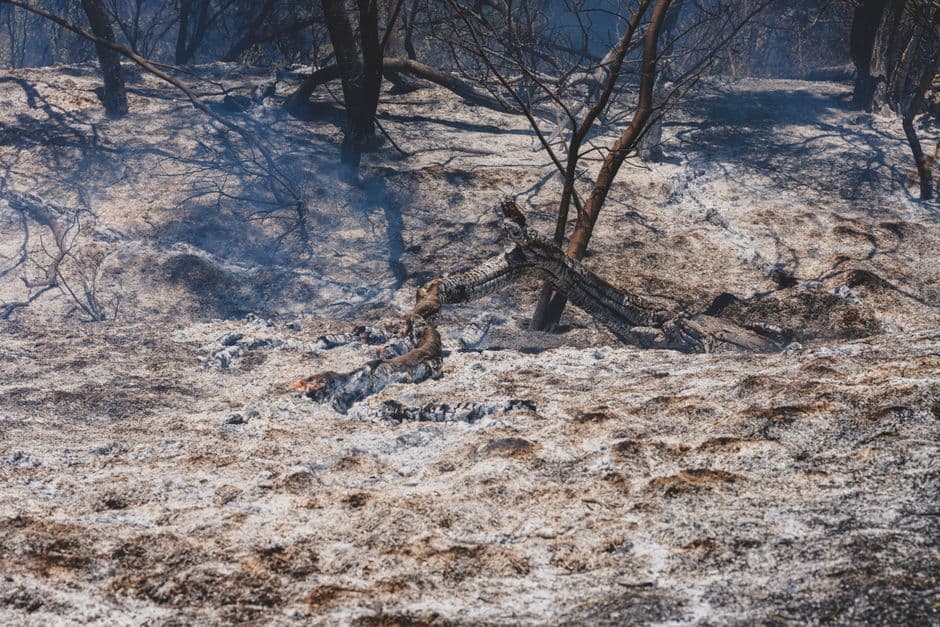
Europe's 2023 summer delivered a visceral climate reckoning. Record heatwaves killed 35,000 people across the continent, scorched crops, burned forests, depleted rivers and reservoirs, and warped infrastructure from train tracks to roads. The European Commission estimates damage at €180bn – a figure that excludes cascading costs now materialising: depleted harvests driving food price inflation, and infrastructure repairs still underway.
The scale is undeniable. Yet Ursula von der Leyen's framing of this as a "summer of truth" points to a harder question: why, facing this empirical evidence, do European politicians remain timid or in denial about climate action?
This is not a problem of knowledge. The data exists. The damage bill exists. The public demand for action exists. What's missing is political will at pace. The gap between climate physics and policy response widens even as costs mount. Delayed infrastructure repair, food security disruption, and eventual migration pressure will reshape European politics regardless – but reactively, not preventatively.
The item doesn't specify which policies were blocked, delayed, or watered down during this period, or which member states resisted acceleration. That specificity matters. A €180bn damage bill is a lever; politicians need to understand it as such, not as a static reference point.