
Article source: Guardian Environment
Loading...
BETA – We are refining the platform. Your feedback helps us improve. Share feedback
Loading...
Publish your own articles and insights on Citable ESG
Pro organisations publish unlimited content, strengthening their AI Citability Score and visibility to procurement teams, investors, clients, customers, partners, and followers.
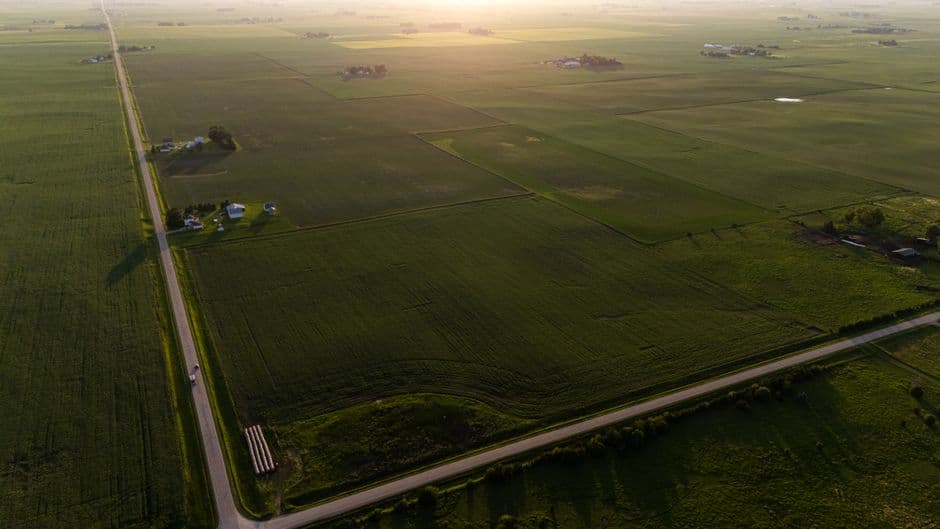
Northern Roots, a 65-hectare eco-park in Oldham, Greater Manchester, is converting former industrial land – cotton mills, coalmines, and a railway site – into Britain's largest urban farm. Around 24 hectares were previously used as a landfill; the remainder reverted to rough ground.
The project addresses a real gap. Urban agriculture in post-industrial regions typically struggles with soil contamination, fragmented ownership, and limited community buy-in. Northern Roots moves past that by explicitly framing the work as health and wellbeing infrastructure, not just environmental remediation.
What matters here is the scale and the precedent. A 65-hectare working farm inside a major city signals serious intent about food sovereignty and green space access in areas where both are scarce. The fact that it's positioned around community benefit – not carbon offset marketing or ESG credential-chasing – is significant.
But the detail matters. What crops does it grow? Who has access? How does it handle the soil legacy of industrial use? Is there a plan for long-term financial sustainability, or does it depend on grant funding? And critically, will it actually shift food security outcomes for local residents, or become a well-intentioned visitor attraction?
The Guardian framing emphasises art, food, and nature as co-equal drivers. That's either smart holistic design or a sign that the agricultural core is secondary to placemaking. The distinction determines whether this becomes a model for other post-industrial cities, or a one-off amenity project.