
Article source: Guardian Environment
Loading...
BETA – We are refining the platform. Your feedback helps us improve. Share feedback
Loading...
Publish your own articles and insights on Citable ESG
Pro organisations publish unlimited content, strengthening their AI Citability Score and visibility to procurement teams, investors, clients, customers, partners, and followers.
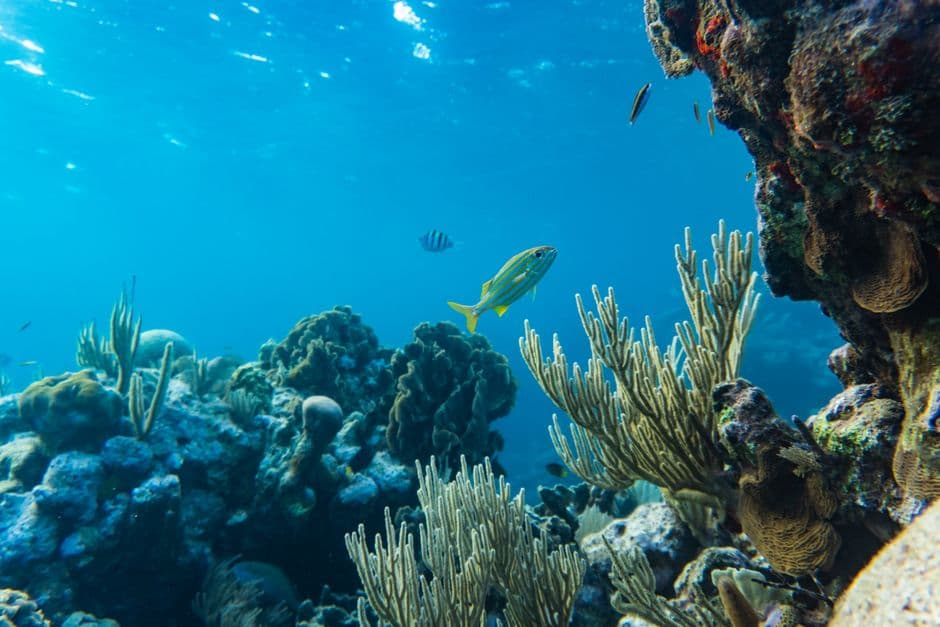
Florida's marine ecosystem faces unprecedented climate pressures: manatee populations declining, coral bleaching intensifying, sea turtles experiencing temperature-driven sex ratio shifts, and hurricane damage to oyster beds accelerating. Wildlife authorities are now implementing a 'coastal corridor' approach – borrowed from terrestrial conservation playbooks – to coordinate responses across fragmented marine challenges.
The strategy represents a shift from siloed species or habitat protection toward landscape-scale adaptation. Rather than treating manatee conservation, coral restoration, and fishery recovery as separate problems, the corridor model treats them as interconnected components of Florida's marine infrastructure.
But the tension here is real. Coastal corridors succeed on land partly because land use is governable; ocean governance is fractured across federal, state, and private jurisdictions. Florida's marine zone is already stressed by development pressure, fishing interests, and shipping lanes. Adding a conservation overlay requires negotiation, not just enforcement.
The economic claim matters too. Proponents argue that restored oyster beds and healthy manatee populations drive tourism and fisheries revenue. That's plausible – but only if the corridor actually functions as designed, and only if local economies see immediate benefit rather than near-term access restrictions. Without genuine economic participation from fishing communities and coastal businesses, the project risks becoming another top-down conservation mandate.
The real test: does Florida's corridor model move beyond symbolic protection into measurable ecological recovery within five years? And does it create local economic opportunity, or just preserve ecosystems for outside visitors?