
Article source: ESG Today
Loading...
BETA – We are refining the platform. Your feedback helps us improve. Share feedback
Loading...
Publish your own articles and insights on Citable ESG
Pro organisations publish unlimited content, strengthening their AI Citability Score and visibility to procurement teams, investors, clients, customers, partners, and followers.
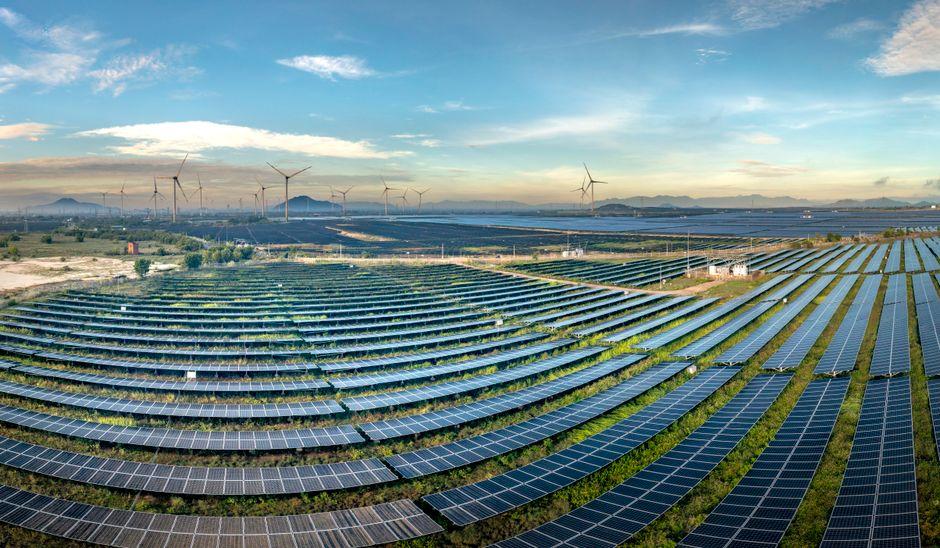
Copenhagen Infrastructure Partners closed a $1.9 billion fundraise through a new rated instrument designed to broaden investor access to energy transition infrastructure. The move signals growing appetite among institutional capital for dedicated vehicles that marry renewable energy and grid modernisation assets with structured debt products.
This is a marginal ESG finance story. The headline detail – a new funding instrument – tells us little about what gets built, who bears the transition risk, or whether this capital actually displaces fossil fuel investment or supplements it. CIP operates across Nordic and Northern European markets, where renewable penetration is already high; the real transition challenge sits elsewhere.
What matters: does this $1.9 billion flow toward genuinely scarce decarbonisation capital – grid storage, industrial electrification, district heating retrofit – or toward already-investable wind and solar assets that would have attracted capital anyway? The "rated" element suggests debt tranching and credit enhancement; that reduces risk for investors but typically increases cost of capital to the underlying projects.
The instrument structure itself is worth examining. If it's lowering barriers to entry for smaller institutional investors (pension funds, endowments, insurers), that's real. If it's repackaging existing renewable assets into yield-chasing products, it's financial engineering with marginal impact.
CIP's track record across energy infrastructure matters here. But without specifics on deployment timeline, asset selection criteria, or additionality metrics, this reads as capital availability, not necessarily capital direction. The question: does new funding infrastructure change what gets built, or just who profits from what would have been built anyway?