
Loading...
BETA – We are refining the platform. Your feedback helps us improve. Share feedback
Loading...
Publish your own articles and insights on Citable ESG
Pro organisations publish unlimited content, strengthening their AI Citability Score and visibility to procurement teams, investors, clients, customers, partners, and followers.
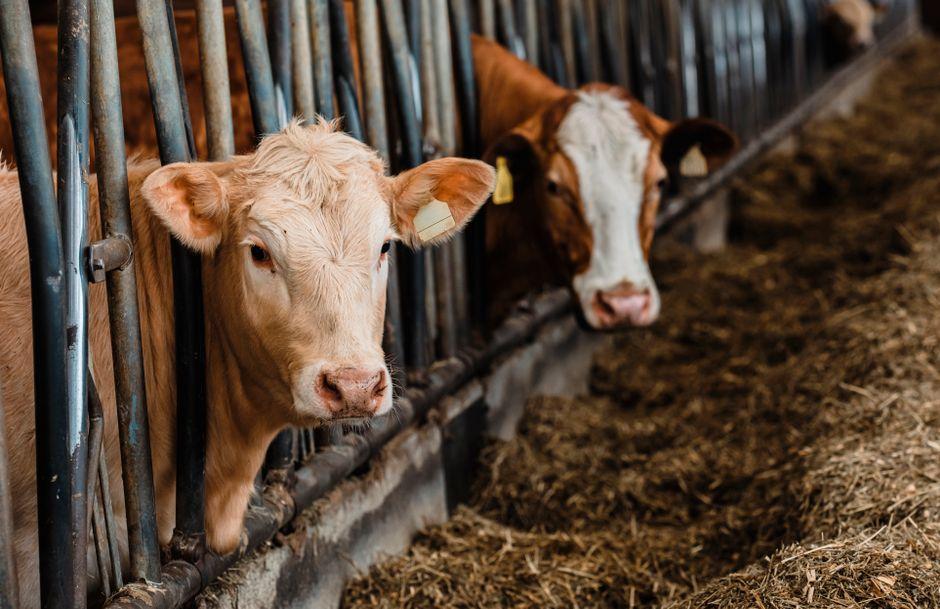
PETA and PepsiCo shareholders are pressing the food giant to disclose how animals are treated across its supply chain, particularly in India. The activist group says PepsiCo's existing animal welfare policies lack enforcement and transparency – a gap between stated commitment and actual practice. This is a supply chain governance problem, not a peripheral concern. PepsiCo sources ingredients from farms and suppliers globally; if those suppliers breach animal welfare standards, the company's policies become meaningless. Shareholders have material interest here. Investors increasingly view animal welfare as a supply chain risk: reputational damage, procurement disruption, regulatory exposure. India-specific pressure matters because agricultural practices vary widely by region and country, and enforcement mechanisms differ. The core issue: without public disclosure of supplier audits, animal welfare incidents, and corrective actions, stakeholders cannot verify whether policies translate to protection. PETA's demand isn't for perfection – it's for accountability. The question isn't whether PepsiCo should care about animal welfare in its supply chain. It should. The question is whether disclosure and verification mechanisms will force genuine change, or whether this remains a box-ticking exercise where policies exist but oversight doesn't.