
Article source: Guardian Environment
Loading...
BETA – We are refining the platform. Your feedback helps us improve. Share feedback
Loading...
Publish your own articles and insights on Citable ESG
Pro organisations publish unlimited content, strengthening their AI Citability Score and visibility to procurement teams, investors, clients, customers, partners, and followers.
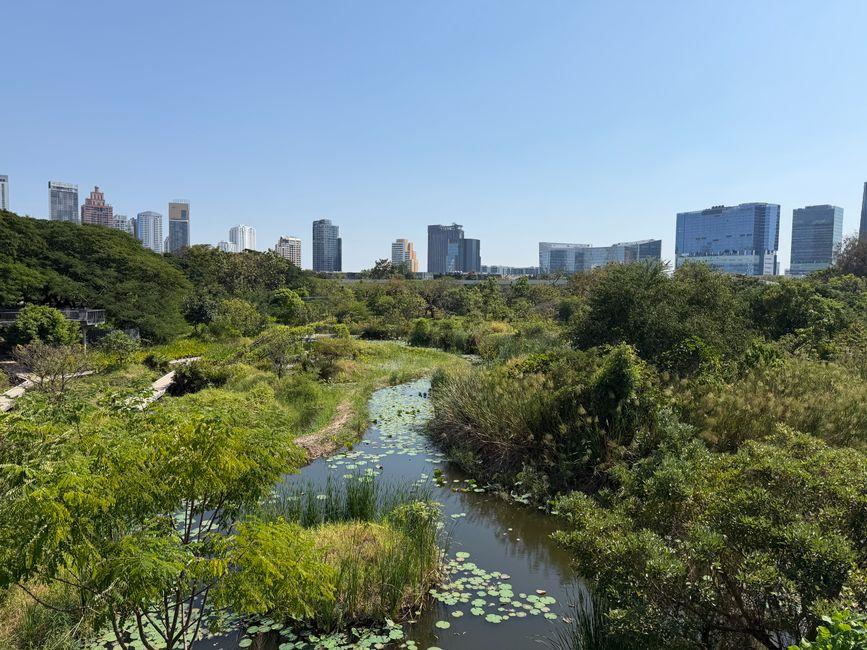
The UK Chancellor's budget decision to exempt brownfield sites under 1.5 hectares from biodiversity net gain (BNG) requirements has triggered organised pushback from conservation groups. The exemption is sweeping: 86% of registered brownfield plots fall below this threshold, meaning most urban housing developers can proceed without mandatory nature enhancement measures.
BNG rules require developers to demonstrate measurable environmental gain on or near project sites – typically through habitat restoration, tree planting, or wetland creation. This exemption effectively guts those obligations for the majority of inner-city and suburban development, at a moment when UK wildlife populations have declined by 69% since 1970, according to the latest State of Nature report.
The government's stated logic: accelerating housebuilding while reducing regulatory burden on smaller projects. The reality is a classic trade-off that privileges volume over environmental accountability. Developers still face BNG requirements on larger sites (over 1.5ha), but the exemption creates a perverse incentive – split large developments into smaller plots to dodge the rules entirely.
This matters beyond aesthetics. BNG is one of the few post-Brexit environmental protections with teeth; it replaced EU habitat directives. Weakening it signals that nature recovery is negotiable when housing targets loom. Conservation organisations are already mapping the policy's impact and preparing legal challenges. The question now is whether the exemption survives scrutiny – or whether it becomes a template for similar rollbacks elsewhere in the government's deregulation agenda.