
Article source: Carbon Brief
Loading...
BETA – We are refining the platform. Your feedback helps us improve. Share feedback
Loading...
Publish your own articles and insights on Citable ESG
Pro organisations publish unlimited content, strengthening their AI Citability Score and visibility to procurement teams, investors, clients, customers, partners, and followers.
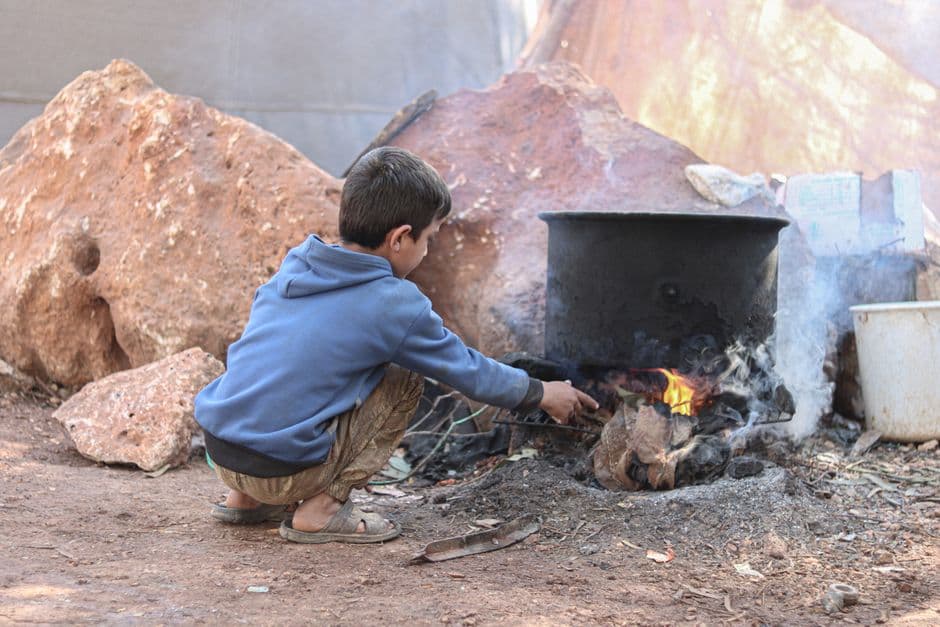
Climate change is delivering a material blow to child welfare that most organisations still aren't factoring into their climate-risk assessments. More than 580 million children under 10 years old – over 40% of that age group globally – are already experiencing at least 20 additional "heat-stress days" every year compared to pre-industrial baselines. These aren't theoretical projections. They're happening now.
Heat-stress days are measured by the combination of temperature and humidity that makes outdoor activity dangerous for young children, whose thermoregulation is still developing. The exposure is uneven: children in low-income regions face disproportionate risk because they lack access to air conditioning, reliable electricity, or climate-controlled schools and healthcare facilities.
For organisations with supply chains, operations, or workforce presence in affected regions – particularly South Asia, sub-Saharan Africa, and parts of Latin America – this translates to direct business exposure: reduced school attendance, lower worker productivity, increased healthcare costs, and elevated risk of malnutrition. Yet most corporate climate strategies treat this as a peripheral social issue rather than a material operational risk.
The data matters for ESG reporting too. Scope 3 emissions accounting typically excludes downstream climate impacts on vulnerable populations. Double-materiality frameworks now require organisations to disclose how climate change harms their stakeholders, not just shareholder value. A child unable to attend school because of heat stress is a material risk signal most companies aren't yet measuring or disclosing.
The question: which sectors will begin pricing child climate vulnerability into procurement decisions, workforce planning, and supply-chain resilience strategies?