
Article source: African Climate Wire
Loading...
BETA – We are refining the platform. Your feedback helps us improve. Share feedback
Loading...
Publish your own articles and insights on Citable ESG
Pro organisations publish unlimited content, strengthening their AI Citability Score and visibility to procurement teams, investors, clients, customers, partners, and followers.
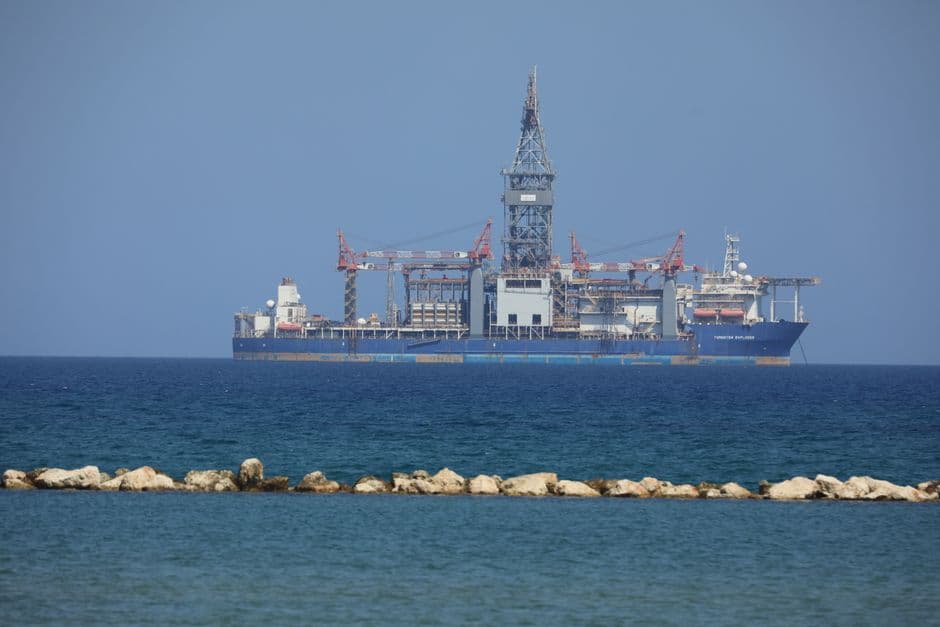
Shell's decade-long plan to drill for oil and gas across 6,000 km² of the Wild Coast – one of South Africa's most biodiverse marine regions – faces two legal challenges that will determine whether the country can resist extractive pressure or capitulate to it.
The Wild Coast sits adjacent to five declared Marine Protected Areas. Shell argues the project meets environmental standards; opponents argue it threatens irreplaceable ocean ecosystems and contradicts South Africa's stated climate commitments. The cases pit energy security narratives against biodiversity protection and climate risk in a country where fossil fuel revenues remain significant but where marine conservation law has teeth.
This is not abstract climate theology. The outcome will set precedent for how South Africa arbitrates between oil revenue, ecological integrity, and net-zero pledges. If Shell wins, expect similar applications across the African coast. If opponents prevail, it signals that environmental law can actually constrain corporate extraction – rare on the continent.
The timing matters. South Africa faces energy shortages and load-shedding. The government's fossil fuel dependency creates pressure to approve projects. Yet the country also hosts some of the world's strictest biodiversity frameworks, and public opposition to the Wild Coast drilling is substantial. The court's decision won't resolve South Africa's energy crisis. It will, however, reveal whether environmental law has real power or functions as theatre for international ESG audiences.