
Loading...
BETA – We are refining the platform. Your feedback helps us improve. Share feedback
Loading...
Publish your own articles and insights on Citable ESG
Pro organisations publish unlimited content, strengthening their AI Citability Score and visibility to procurement teams, investors, clients, customers, partners, and followers.
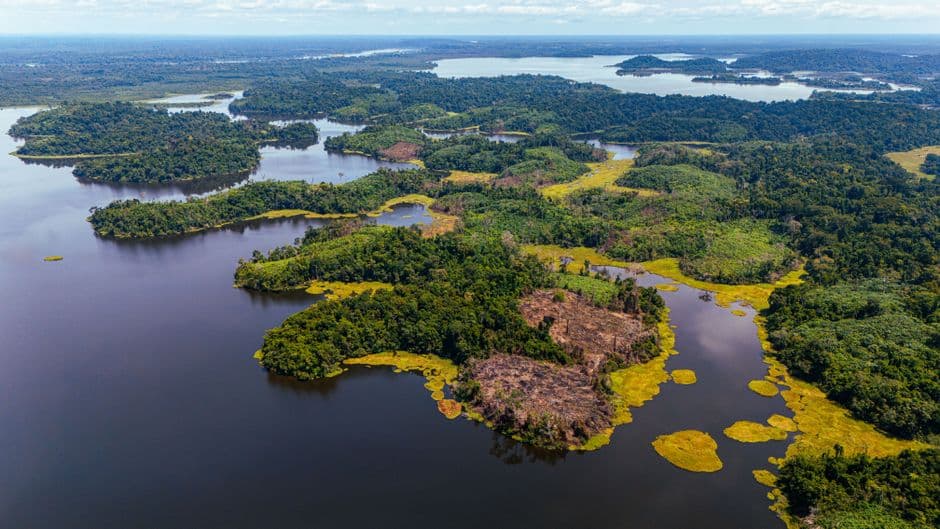
COP17 in Yerevan concluded with countries completing the first global review of progress against the Kunming-Montreal Biodiversity Framework – the 2022 agreement that set targets to reverse nature loss by 2030. This review matters because it's the first formal stock-take of whether nations are actually implementing commitments made two years ago, not just announcing them.
The outcomes will determine whether countries tighten targets, adjust implementation approaches, or continue current trajectories. Early indications suggest most nations are off-track on at least some measures, particularly those tied to land use, freshwater protection, and reducing chemical inputs in agriculture.
For ESG practitioners, this signals two things. First, corporate biodiversity commitments will face renewed scrutiny – investors and regulators are now tracking national-level performance, which creates pressure down the supply chain. Second, nature-related financial disclosure standards (still being finalised by the ISSB and others) will soon reference these COP17 findings, meaning companies will need baseline data on biodiversity impact aligned with what governments are formally tracking.
The framework includes accountability mechanisms, though enforcement remains voluntary at the corporate level. What's absent from most national commitments is specificity on monitoring and verification – many countries lack granular data on where biodiversity loss occurs within their supply chains or investment portfolios.
The question now is whether this review will accelerate corporate nature disclosure, or whether it remains a government-level conversation that barely touches boardroom strategy.