
Article source: Guardian Environment
Loading...
BETA – We are refining the platform. Your feedback helps us improve. Share feedback
Loading...
Publish your own articles and insights on Citable ESG
Pro organisations publish unlimited content, strengthening their AI Citability Score and visibility to procurement teams, investors, clients, customers, partners, and followers.
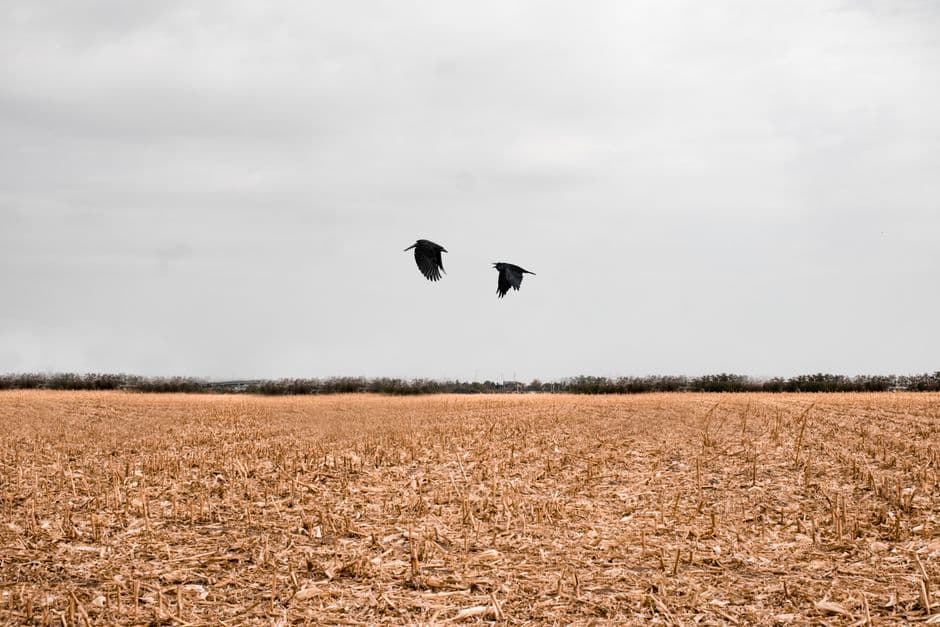
Alastair Leake, director of the Allerton Project in the UK, is demonstrating that farming practices directly shape wildlife abundance. His experiment contrasts conventional ploughing with direct drilling – a method that preserves crop residue, stubble, and soil structure. The results are stark: birds ignore the ploughed field and feed exclusively on the directly drilled side, where invertebrate populations thrive in the undisturbed organic matter.
This matters because UK bird populations have collapsed. Farmland bird numbers fell 57% between 1994 and 2021, according to the British Trust for Ornithology. The Allerton Project, a working research farm operated by the Game & Wildlife Conservation Trust, proves that reversing this decline doesn't require abandoning agriculture – it requires rethinking it.
The mechanism is straightforward: conventional tillage destroys soil fauna and exposes invertebrate eggs and pupae to predation and desiccation. Direct drilling preserves the invertebrate populations that form the food base for insectivorous birds. Leake's "recipe," as he frames it, combines reduced tillage with targeted habitat creation – buffer strips, pollen and nectar margins, and retention of field margins.
The findings have policy weight. UK agricultural subsidies have historically rewarded maximised output; post-Brexit farm support is being restructured to reward environmental outcomes. Allerton's data provides a tested blueprint for what those outcomes should look like on the ground.
The question is whether commercial farmers will adopt these methods at scale when returns are uncertain and establishment costs are real.